Hoof abscesses can be a painful issue for horses and a headache for owners. Recognizing the signs early can help prevent further complications and ensure your horse remains healthy and active. This post will explore the key signs of a hoof abscess and what you can do about it.
1. Lameness
One of the earliest and most noticeable signs of a hoof abscess is lameness. When a horse develops an abscess, they typically will not put full weight on the affected hoof, which can result in limping or favoring one leg over the other. This behavior may vary from slight discomfort to severe pain, depending on the severity of the abscess.
The lameness is often acute, meaning it appears suddenly and can worsen quickly. Horse owners might notice their animal is hesitant to move, unable to perform simple tasks like walking or trotting, or even showing reluctance to pick up their feet for grooming or shoeing. Tracking your horse’s lameness levels can provide valuable information for your veterinarian.
-
- Observe your horse’s movement closely.
-
- Take note of any limping or hesitation.
-
- Watch for changes in weight distribution.
-
- Document the severity of lameness over time.
2. Swelling and Heat
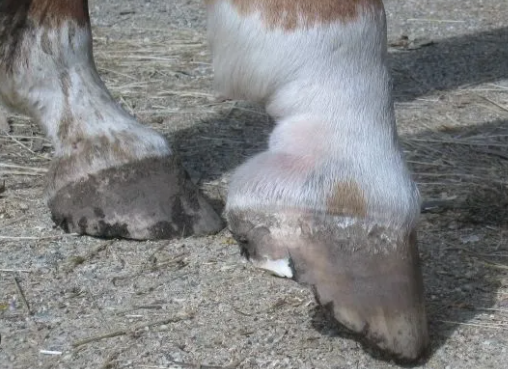
Swelling in and around the hoof area is another critical sign of a hoof abscess. When the tissues around the hoof become inflamed due to infection, swelling will typically become apparent, especially around the coronary band (the area where the hoof meets the skin). Excessive heat in the hoof is often accompanying this swelling, which you can feel by placing your hand on the hoof sole.
Heat can indicate increased blood flow to the area, making it a classic symptom of infection. If you suspect an abscess, assess the hoof for both swelling and heat. You should also check other hooves to compare temperature and size. This comparison can help you determine whether the swelling is localized or possibly related to a more significant issue.
-
- Palpate the hoof to check for swelling.
-
- Use your hand to check for heat.
-
- Compare temperatures between hooves.
-
- Look for differences in size and shape.
3. Discharge and Odor
Another telltale sign of a hoof abscess is the presence of discharge, often accompanied by a foul odor. When a hoof abscess forms, it creates pressure buildup from pus, which can eventually lead to the rupture of the abscess. This may release a thick, often smelly discharge that can be seen running from the hoof wall or frog.
Finding discharge and a strong odor provides crucial information. The color and consistency of the discharge can reveal the stage of the infection and whether it’s draining properly or needs further intervention. Discharge that is yellow or greenish, for example, typically indicates necrotic tissue, while a more watery discharge might indicate an ongoing infection.
-
- Examine the hoof for any fluid or suspicion of drainage.
-
- Be alert for foul smells when inspecting the hoof.
-
- Keep the area clean to prevent further infection.
-
- If you notice discharge, take pictures and notes for your vet.
4. Sensitivity to Pressure
Horses with a hoof abscess often exhibit increased sensitivity in the affected area. This may manifest as flinching or pulling away when pressure is applied to the hoof. Horses might be particularly sensitive around the toe area, where abscesses often happen, as this is where the pain is localized.
This sensitivity can be assessed during routine hoof handling or when cleaning the hooves. If your horse suddenly reacts more dramatically to pressure than normal, this could indicate that something is amiss. This sign can be particularly useful as a preventative measure, allowing horse owners to catch an issue before a full-blown abscess develops.
-
- Gently apply pressure to various parts of the hoof.
-
- Observe how your horse reacts to multiple areas.
-
- Note differences in the affected hoof compared to the others.
-
- Consider getting an experienced friend or professional to help.
Recognizing the signs of a hoof abscess can be crucial for ensuring the health and comfort of your horse. It’s essential to monitor for lameness, swelling, heat, discharge, and sensitivity. If you notice any of these signs, consulting with a veterinarian promptly can help to effectively treat the condition and prevent further complications.