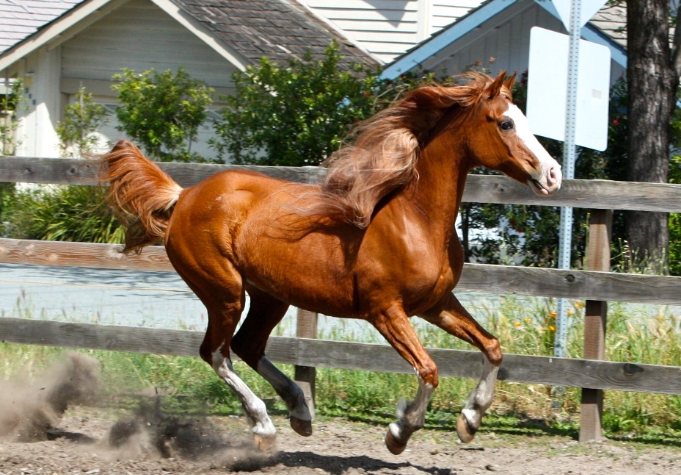
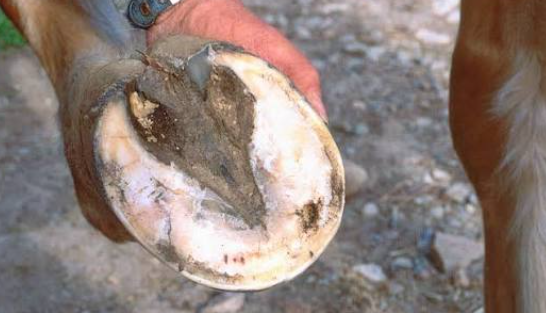
Hoof abscesses are a common problem affecting horses, often causing significant pain and discomfort. Understanding the causes can help in effective prevention and treatment, ensuring your equine friend stays healthy and happy.
1. Understanding the Formation of Hoof Abscesses
Hoof abscesses occur when bacteria enter the hoof through a small crack or injury. The bacteria thrive in the moist environment inside the hoof, leading to infection and the buildup of pus. An abscess can create immense pressure that manifests as intense pain, lameness, and swelling around the affected area.
Common entry points for bacteria include bruised soles or poorly managed hoof care. For example, a horse that frequently walks on rocky terrain may develop small cracks or bruises, making it vulnerable. Regular hoof inspections can help identify these issues before they lead to more severe complications.
-
- Inspect hooves regularly for cracks, bruises, or foreign objects.
-
- Keep hooves clean and dry to prevent bacterial growth.
-
- Consult a farrier for regular trims to maintain hoof health.
-
- Provide a well-maintained environment, avoiding muddy or overly damp areas.
2. The Role of Environmental Factors
Environmental conditions play a significant role in the development of hoof abscesses. Wet and muddy conditions can soften the hoof, making it easier for bacteria to attack. In contrast, dry and hard ground may lead to cracked hooves, particularly if the horse is not properly shoeed or has low hoof moisture.
Seasonal changes also affect hoof health, as wet seasons can increase the risk of infection. Horses in pastures that bog down during rainstorms are particularly at risk. Owners should also monitor and manage their surroundings to minimize potential hazards.
-
- Avoid turnout in excessively muddy conditions.
-
- Provide dry, covered shelter during wet weather.
-
- Monitor pasture health and rotate grazing to prevent overuse.
-
- Consider hoof supplements to improve resilience to environmental changes.
3. The Importance of Nutrition and Hoof Health
A horse’s diet significantly impacts hoof condition and overall health. Adequate nutrition helps maintain strong hooves, making them less susceptible to injury and infection. Nutrients like biotin, protein, and zinc are essential for hoof growth and repair, playing a crucial role in preventing abscesses.
Inadequate nutrition can lead to weak hooves, which are prone to cracks and other injuries. Additionally, dietary changes or deficiencies can affect hoof resilience. Owners should be proactive about their horse’s diet to ensure optimal hoof health.
-
- Consult a veterinarian to tailor a balanced diet specific to your horse’s needs.
-
- Incorporate hoof supplements if needed, following vet recommendations.
-
- Ensure fresh, clean water is always available to aid digestion.
-
- Monitor weight, as obesity can exacerbate hoof issues.
4. Recognizing Early Symptoms of Hoof Abscesses
Identifying hoof abscesses early greatly improves treatment effectiveness and minimizes discomfort for the horse. Owners should be vigilant for signs like sudden lameness, heat in the hoof, or increased sensitivity when pressure is applied to the foot. Swelling around the coronary band can also indicate potential issues.
Other symptoms may include changes in behavior, reluctance to move, or a visible discharge from the hoof. By observing your horse closely, you can catch abscesses early, increasing the chances of a swift recovery.
-
- Pay attention to your horse’s normal behavior and physical condition.
-
- Check for heat and swelling regularly.
-
- Note any changes in movement or willingness to perform tasks.
-
- Use a hoof tester to identify sensitivity in specific areas.
5. When to Seek Professional Help
While some hoof abscesses can be managed at home, professional intervention is often necessary, especially if the condition worsens. Signs that require immediate veterinary attention include excessive swelling, a foul odor coming from the hoof, or if the horse shows drastic changes in behavior such as severe pain or rolling.
Veterinarians can provide advanced diagnostics, such as X-rays, to determine the extent of the abscess and the best course of action. Early treatment not only eases the horse’s discomfort but also prevents chronic issues that could arise from untreated infections.
-
- Do not hesitate to call your veterinarian if symptoms intensify.
-
- Keep records of symptoms to provide clear information to the vet.
-
- Follow the prescribed treatment plan carefully for the best results.
-
- Attend regular check-ups for ongoing hoof health assessments.
Hoof abscesses can be a painful issue for horses but understanding their causes allows for effective prevention and timely treatment. If you suspect that your horse may be experiencing an abscess, it’s crucial to consult a professional for an accurate diagnosis and appropriate care. Regular maintenance, proper nutrition, and environmental management are essential to keeping your horse healthy and happy.