Hoof bruises in horses can be both painful and concerning for equine owners. Understanding the causes, symptoms, and treatments can help you ensure your horse stays comfortable and healthy. In this post, we will explore hoof bruises in detail, including prevention and care options.
1. What Causes Hoof Bruises?
Hoof bruises typically occur due to trauma or excessive pressure on the hoof. Common causes include stepping on hard or uneven surfaces, sharp objects, or overexertion during riding or training. For instance, a horse that frequently works on rocky terrain is at higher risk for this type of injury. Additionally, inadequate hoof care, such as neglecting regular trims, can exacerbate problems, making hooves more prone to bruising.
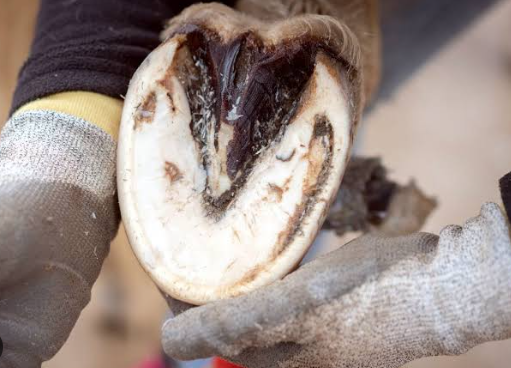
The hoof is a complex structure, comprising various tissues that can easily become compromised. A bruise usually results in damage to the sensitive laminae and blood vessels within the hoof. If left untreated, a bruise can lead to more severe conditions like abscesses or laminitis, amplifying the urgency of proper care.
-
- Inspect the environment where your horse works regularly.
-
- Maintain a regular hoof trimming schedule.
-
- Monitor your horse’s hooves after riding or exercise.
-
- Provide a balanced diet to support hoof health.
2. Recognizing the Symptoms of Hoof Bruises
Identifying hoof bruises early is crucial for effective treatment. Common symptoms include limping, sensitivity on the affected hoof, and swelling around the area. Your horse may also exhibit signs of pain, such as reluctance to move or sensitivity when pressure is applied to the hoof. If you notice your horse shifting its weight off a particular leg or exhibiting changes in behavior, it could be an indication of discomfort due to a bruise.
A thorough hoof inspection is necessary if you suspect a bruise. Look for any discoloration, heat, or swelling in and around the hoof. Sometimes a bruise may not be immediately visible, so gradual changes in your horse’s performance or demeanor can be key indicators. Keeping a journal of your horse’s health can help track any unusual patterns or incidents.
-
- Observe your horse’s gait closely during exercises.
-
- Check for any changes in behavior, such as reluctance to work.
-
- Perform a routine hoof inspection, focusing on signs of bruising.
-
- Keep records of training sessions and any incidents that may cause injury.
3. Treating and Preventing Hoof Bruises
Once a hoof bruise is diagnosed, treatment options will depend on the severity of the injury. For minor bruises, rest and a cold compress can often alleviate pain and swelling. You may also consider administering anti-inflammatory medications as recommended by your veterinarian. Make sure to keep your horse on a soft surface, such as grass or rubber mats, to reduce pressure on the affected hoof.
For more severe bruises, consulting with a veterinarian is essential. They may recommend hoof pads or shoes to protect the hoof during healing. In some cases, hoof drainage may be necessary to relieve pressure from accumulating fluid. Remember that prevention is the best strategy, so maintaining a regular hoof care routine and monitoring changes can make a significant difference.
-
- Apply cold compresses for swelling and pain.
-
- Allow sufficient rest for the affected hoof to heal.
-
- Consult a veterinarian if symptoms persist or worsen.
-
- Consider protective hoof pads if your horse frequently works on hard surfaces.
4. The Role of Diet in Hoof Health
A horse’s diet plays a significant role in hoof health, which can help in the prevention of hoof bruises. A balanced diet consisting of quality hay, grains, and supplements tailored to your horse’s specific needs can aid in maintaining strong, resilient hooves. For example, incorporating biotin and other hoof health supplements can improve hoof growth and strength, reducing the chances of injuries.
Be cautious, however, about sudden changes in diet. Gradual adjustments are essential to avoid digestive issues or deficiencies. If you’re unsure about the best dietary regimen for your horse, consulting a veterinarian or equine nutritionist can provide tailored recommendations that meet your horse’s unique requirements.
-
- Provide a balanced diet rich in vitamins and minerals.
-
- Include hoof health supplements as advised by a vet.
-
- Avoid sudden changes in diet; make gradual transitions.
-
- Monitor your horse’s weight to prevent obesity-related hoof issues.
Hoof bruises can pose a significant concern for horse owners, but with proper understanding and management, they can be effectively treated and prevented. Regular hoof care, attention to your horse’s diet, and timely veterinary consultations will go a long way in ensuring your horse remains healthy and happy. Remember to consult a professional if you notice any concerning symptoms. Your horse deserves the best care possible!