
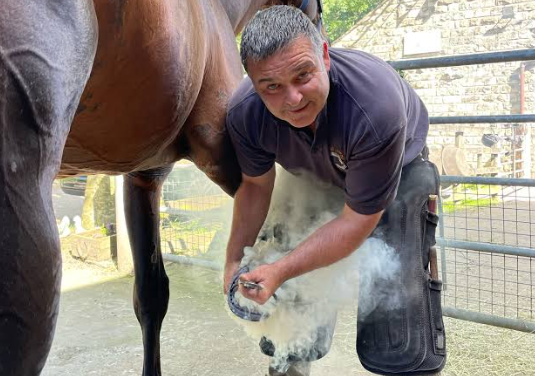
Ensuring the health of your horse’s hooves is crucial for their well-being and performance. One often-overlooked aspect is the type of bedding used in their stalls, which can significantly impact hoof health. Understanding the relationship between bedding and hoof maintenance is key to keeping your horse comfortable and healthy.
1. The Impact of Bedding Material on Hoof Health
The type of bedding used in horse stalls can directly affect hoof health. Traditional bedding materials like straw, shavings, and sawdust differ greatly in their moisture retention and cleanliness. For instance, straw can retain moisture more than shavings, potentially leading to thrush or other hoof diseases due to increased dampness around the hoof.
Some modern bedding options, such as rubber mats and hemp, are increasingly popular. These materials offer better drainage and dry out more quickly, providing a healthier environment for your horse’s hooves. Choosing the right material can mitigate foot-related issues, so it’s essential to consider both comfort and hygiene when selecting bedding.
-
- Choose low-dust options like shavings or pellets for respiratory health.
-
- Consider rubber mats for better drainage and hypoallergenic properties.
-
- Avoid bedding that retains excess moisture, such as certain types of straw.
-
- Regularly check bedding for cleanliness and replace it as necessary.
2. Moisture Management in Bedding
Moisture levels are another critical factor to consider when it comes to bedding and hoof health. Excess moisture can lead to softening of the hoof wall, making it more susceptible to cracks and infections. To counteract this, it’s important to keep bedding dry and well-maintained.
-
- Check bedding daily for moisture or odor; remove wet material immediately.
-
- Use absorbent bedding options to combat humidity.
-
- Consider adding fans or ventilation to improve air circulation in stalls.
-
- Monitor hoof condition regularly for signs of moisture-related issues.
3. The Role of Bedding in Preventative Care
Utilizing appropriate bedding as part of a preventative hoof care routine is crucial. A clean, comfortable environment reduces stress on the horse and prevents issues like thrush and abscesses. You can also further promote hoof health by incorporating a balanced diet and regular hoof trims into the routine.
Preventative care involves combining good bedding practices with regular check-ups from a farrier. This will help you catch potential problems earlier and maintain the general health of your horse’s hooves. It’s beneficial to develop a checklist that includes regular cleaning, proper nutrition, and consistent hoof care to sustain optimal hoof health.
-
- Establish a regular cleaning schedule for your horse’s stall.
-
- Keep a log of hoof health checks and treatments.
-
- Work with a qualified farrier on a routine trimming schedule.
-
- Assess your horse’s diet to ensure it supports hoof health.
4. Signs of Trouble: Responding Quickly to Hoof Issues
Even in the best conditions, hoof problems can still occur. Recognizing the early signs of hoof problems, such as a change in behavior or visible signs of distress, can help you address issues before they worsen. Typical symptoms to watch for include limping, increased sensitivity to touch, or an unusual odor emanating from the hooves.
Should any of these signs surface, consult your veterinarian or farrier immediately. They can help you identify the cause and offer appropriate treatment, which may include adjustments in bedding, nutrition, or care practices. It’s paramount to act quickly and not wait until the problem escalates.
-
- Observe your horse daily; look for any signs of discomfort.
-
- Keep your farrier’s contact handy for quick consultations.
-
- Document any changes in hoof condition over time.
-
- Understand that some hoof problems may require immediate veterinary care.
In conclusion, taking proactive steps in choosing the right bedding can lead to healthier hooves for your horse. By maintaining clean, dry bedding and monitoring their condition closely, you can significantly reduce the risk of hoof issues. Don’t hesitate to consult professionals for personalized advice tailored to your horse’s specific needs.