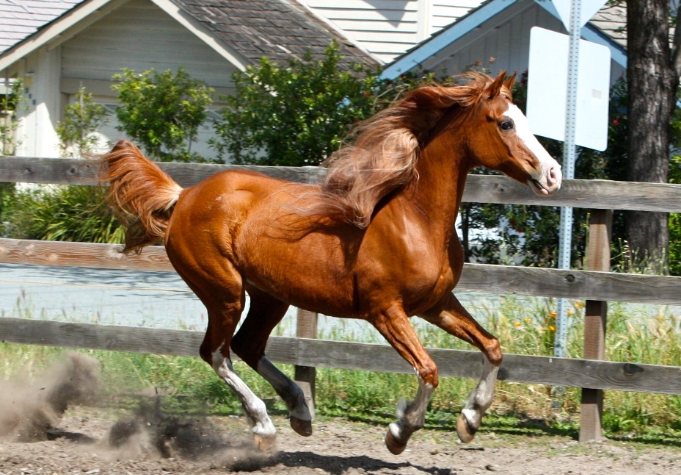
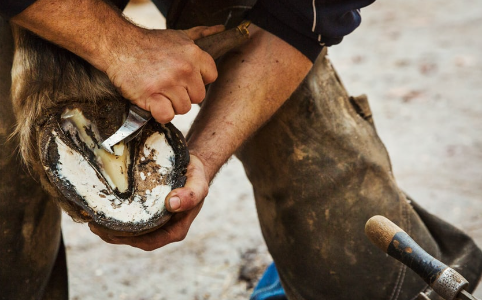
Barefoot hoof care is gaining popularity among horse enthusiasts who seek to improve their animals’ overall health and performance. By learning the fundamentals of barefoot care, horse owners can ensure their equine companions remain comfortable and sound. This guide will provide practical insights into how to maintain your horse’s hooves naturally.
1. Understanding Equine Hoof Anatomy
Before diving into barefoot care, it’s essential to understand the basic anatomy of a horse’s hoof. A hoof consists of several components, including the hoof wall, sole, frog, and digital cushion. Each of these parts plays a critical role in weight distribution, shock absorption, and protecting the inner structures of the hoof. For example, the hoof wall bears most of the horse’s weight, while the frog helps with circulation and traction.
Understanding this anatomy allows you to recognize potential issues in your horse’s hooves. Knowing what to look for can help catch problems early, such as cracks or thrush, ensuring that your horse remains comfortable and healthy. Being observant can also empower you to notice how different surfaces or activities affect your horse’s hoof health.
-
- Study diagrams of equine hoof anatomy.
-
- Examine your horse’s hooves regularly for signs of wear or damage.
-
- Learn the functions of each hoof component.
-
- Research common hoof issues and their signs.
2. Benefits of Going Barefoot
One of the most significant benefits of barefoot hoof care is that it allows the horse’s feet to function as nature intended. Without shoes, horses can experience improved blood circulation and a better connection with their environment. This means they can adapt more robustly to various terrains, reducing the risk of injuries related to improper footing.
Another advantage is reduced maintenance costs. While regular hoof trimming is necessary, you won’t have to invest in shoes or specialty shoeing services. Consequently, this can make a significant impact on your overall budget while still providing excellent care for your horse. Not only does this option make financial sense, but it’s also more sustainable for both your horse and the planet.
-
- Observe your horse’s movement on different surfaces.
-
- Keep track of any changes in their comfort level.
-
- Research the long-term benefits of barefoot compared to shod horses.
-
- Consult professionals who specialize in barefoot trims.
3. Establishing a Barefoot Care Routine
Creating a consistent hoof care routine is essential for any horse transitioning to barefoot care. This routine should include regular hoof inspections and cleanings to promote healthy hoof growth. Rinsing and cleaning your horse’s hooves can help remove debris, which may lead to infections if left unattended. Depending on your locale, you may need to invest in a quality hoof pick and brush.
Regular trimming is another vital component of maintaining healthy hooves. A barefoot horse typically requires trimming every 4–6 weeks, depending on their environment and level of activity. When trimming, focus on maintaining the shape of the hoof and ensure that the frog is healthy and functional to support your horse’s weight distribution effectively.
-
- Establish a trimming schedule that fits your horse’s needs.
-
- Use proper tools for cleaning and trimming hooves.
-
- Examine your horse’s hooves before and after exercise.
-
- Consider seasonal changes that may affect hoof care.
4. Common Challenges and Solutions
Transitioning a horse to barefoot care can present some challenges. For instance, a horse may experience soreness as they adapt to going without shoes, especially if they have previously been shod for a significant time. Gradual exposure to different terrains can help to alleviate this discomfort, allowing the horse’s hooves to toughen naturally.
Another common issue is dry, brittle hooves, which can be exacerbated by environmental factors. Maintaining proper nutrition, including adequate vitamins and minerals, can significantly contribute to stronger hoof health. Regular attention and slight modifications in care can often resolve these challenges effectively.
-
- Start with short sessions on hard surfaces.
-
- Gradually increase exposure to varying terrains.
-
- Monitor hoof health with a qualified professional.
-
- Keep your horse well-hydrated and well-fed to support hoof growth.
In conclusion, transitioning to barefoot hoof care requires a commitment to understanding your horse’s anatomy, the benefits of going barefoot, and establishing a consistent care routine. With the proper knowledge and attention, you can ensure your horse remains healthy and sound. Don’t hesitate to consult a professional for further guidance or assistance as you embark on this journey.