Caring for your horse’s hooves is vital for their overall health and well-being. Knowing when to trim horse hooves can help prevent problems like lameness and discomfort. This blog post will guide you through the essentials of hoof trimming.
1. Understanding Horse Hoof Growth
Horse hooves grow continuously, similar to human nails. The rate of growth can vary based on several factors, including the horse’s diet, age, and environment. Typically, horse hooves grow about 1/4 to 1/2 inch each month, making it vital to monitor them regularly to ensure they remain in good shape.
A horse that is stabled may have slower hoof growth compared to one that is turned out in pasture. Similarly, a diet rich in nutrients, particularly biotin, can promote healthier hoof growth. Keeping an eye on your horse’s hooves allows you to set a routine for trimming that suits their specific needs and circumstances.
-
- Monitor hoof growth every 4-6 weeks.
-
- Assess your horse’s environment for optimal growth conditions.
-
- Consider dietary changes to enhance hoof health.
-
- Consult with a farrier for tailored advice on trimming intervals.
2. Signs That It’s Time to Trim
Recognizing the signs that your horse needs a trim is crucial. Common indicators include uneven wear, cracking, or excessive length. A horse’s hooves should remain balanced to support their weight evenly, so look for differences in hoof length or shape.
Another sign is your horse’s behavior. If they seem more reluctant to move, limp, or avoid certain surfaces, it may indicate discomfort due to overgrown hooves. Regular checks can help you catch these issues early, preventing more serious health problems down the line.
-
- Check for cracks or chips in the hoof.
-
- Look for uneven wear patterns.
-
- Watch your horse’s movement; any reluctance can be a red flag.
-
- Feel for excessive weight on any part of the hoof.
3. The Optimal Timing for Trimming
For most horses, trimming every 4 to 6 weeks is ideal, but timing can depend on various factors such as hoof type, activity level, and age. For younger horses or those actively competing, you may find that they require more frequent trims. Conversely, older horses may have slower growth and can go a bit longer between trims.
Consider seasonal changes as well. Wet or muddy conditions can lead to softer hooves, requiring a shorter trimming schedule, while dry, hard ground might slow growth. Observing your horse’s hooves during different seasons can help you adapt your trimming routine effectively.
-
- Set a trimming schedule based on your horse’s growth rate.
-
- Adjust the schedule according to weather conditions.
-
- Monitor young or active horses closely for changes.
-
- Keep detailed records to track trimming dates and observations.
4. Professional vs. DIY Trimming
Many horse owners wonder whether they can trim their horse’s hooves themselves or if they should rely on a professional farrier. While trimming can be done by an experienced owner, it requires both knowledge and skill to ensure no harm comes to the horse. Incorrect trimming can lead to lameness or even permanent damage, so caution is advised.
If you decide to tackle trimming on your own, consider taking lessons from an experienced farrier first. A professional can guide you on how to use tools effectively, recognize hoof conditions, and evaluate your horse’s specific needs. This foundational knowledge can be invaluable in ensuring your horse’s hoof health.
-
- Seek training from a qualified farrier before DIY trimming.
-
- Invest in quality tools specific for hoof care.
-
- Always prioritize your horse’s comfort and safety during trimming.
-
- Don’t hesitate to call a professional if unsure about any aspect of hoof care.
5. Caring for Hooves Between Trimmings
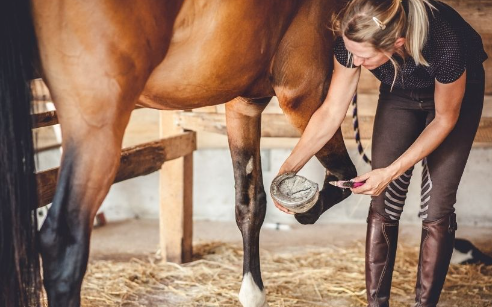
Routine care between trims is equally essential for maintaining healthy hooves. Clean your horse’s hooves regularly to remove dirt and debris, which can contribute to hoof infections or thrush. As you pick out their hooves, observe them for signs of cracks, debris, or unusual odor.
Adding hoof oil or conditioner can also help maintain moisture levels and keep the hoof wall strong. Be careful not to over-moisturize, as this can lead to soft hooves. Regular hoof checks and maintenance can save you significant time and trouble down the line.
-
- Clean hooves regularly to remove debris.
-
- Look for signs of thrush or infection.
-
- Apply hoof oil or conditioner for added protection.
-
- Check for signs of discomfort during routine care.
In conclusion, keeping your horse’s hooves well-trimmed and maintained is crucial for their overall health and performance. Consult with a farrier, observe your horse’s behavior, and create a routine that works best for you and your equine partner. Taking these steps will help ensure your horse remains happy and healthy.