The Brabant Draft Horse has played a pivotal role in shaping the modern Belgian horse breed. Known for its strength and gentle temperament, this breed has influenced equine characteristics and practices, making it essential for horse enthusiasts to understand its legacy. In this blog post, we’ll explore the history, unique traits, and enduring impact of the Brabant Draft Horse on contemporary Belgian horses.
1. The Historical Background of the Brabant Draft Horse
The Brabant Draft Horse, originally from the Brabant region of Belgium, has a rich history that spans several centuries. These horses were bred for their incredible strength and ability to perform heavy agricultural tasks, such as plowing and pulling carts, which made them invaluable to farmers and laborers. Over the years, the breed underwent significant changes, incorporating bloodlines from other draft breeds, which helped enhance its overall capabilities.
In the 19th century, the Brabant gained recognition not just in Belgium but across Europe and North America. This period saw the establishment of breed standards, which emphasized the horse’s strong build and even temperament. Today, the Brabant continues to influence modern Belgian horses both genetically and through selective breeding practices aimed at maintaining desirable traits.
-
- Research the origins and development of Brabant horses.
-
- Understand how other breeds contributed to the Brabant’s evolution.
-
- Explore the historical significance of these horses in agricultural societies.
-
- Review breed standards to appreciate the physical characteristics of Brabant horses.
2. Unique Traits of the Brabant Draft Horse
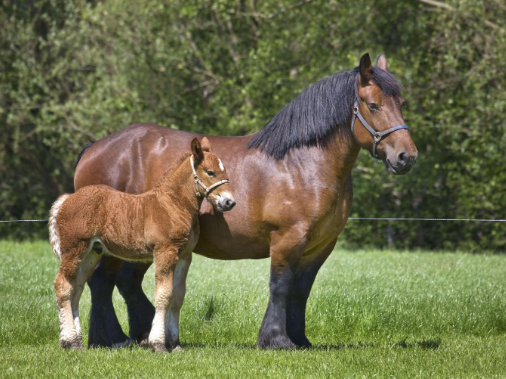
One of the most notable aspects of the Brabant Draft Horse is its impressive physical characteristics. Typically, these horses are robust, with a powerful neck and broad shoulders that contribute to their strength. Standing around 16 to 17 hands tall, they often weigh between 1,600 and 2,000 pounds, making them one of the heavier draft breeds. Their gentle disposition pairs well with their strong build, making them great companions as well as workhorses.
In addition to their physical prowess, Brabants are known for their docile nature. This temperament makes them ideal for various activities, including farm work, carriage driving, and even therapeutic riding programs. Their adaptability to different environments is a significant influence on the modern Belgian horse, which seeks to balance strength with a friendly demeanor, making it suitable for various equestrian disciplines.
-
- Observe the physical attributes that make Brabant horses uniquely powerful.
-
- Consider engaging with a Brabant horse to experience their temperament first-hand.
-
- Research carriage driving opportunities to see a Brabant in action.
-
- Explore training programs that utilize the gentle nature of Brabants.
3. The Influence on Modern Belgian Horses
The legacy of the Brabant Draft Horse is evident in the characteristics of today’s Belgian horses. Breeders have successfully incorporated the Brabant’s genetics to enhance traits such as strength, endurance, and a gentle demeanor. This genetic fusion allows modern Belgian horses to excel in various roles, from heavy draft work to competitive shows, thereby broadening their appeal and usage.
Moreover, the Brabant’s contribution to the modern Belgian horse extends to its temperament, making these horses more trainable and versatile. Training programs often utilize methods inspired by the calm and responsive nature of the Brabant, resulting in a breed that not only meets the rigorous demands of work but also serves well in recreational settings. This versatility is a significant reason for the breed’s growing popularity among horse enthusiasts worldwide.
-
- Identify desirable traits in modern Belgian horses derived from the Brabant.
-
- Follow breeders who specialize in the Belgian breed, noting their training practices.
-
- Participate in horse shows or exhibitions to see the performance of Belgian horses.
-
- Learn about the breeding programs that aim to preserve the Brabant legacy.
4. The Brabant’s Role in Sustainable Practices
With a growing focus on sustainable agriculture, the Brabant Draft Horse is being revisited for its contributions to eco-friendly farming practices. Unlike modern machinery that can harm the soil and environment, Brabant horses offer a low-impact alternative for tasks like plowing and hauling. Utilizing these horses can also enhance soil health and reduce fossil fuel dependency, making them increasingly relevant in today’s sustainable practices.
Many farms and equestrian centers are starting to recognize the benefits of using draft horses for sustainable farming. This has led to a resurgence in interest surrounding Brabant horses, fueling demand for courses and workshops that focus on training and utilizing draft horses in a modern agricultural context. This trend exemplifies how the wisdom of the past can inform contemporary practices in agriculture.
-
- Explore local farms that are utilizing draft horses for sustainable practices.
-
- Consider attending workshops to learn about the environmental benefits of using draft horses.
-
- Engage with the community to gather resources about sustainable farming methods.
-
- Advocate for the inclusion of traditional breeds in modern farming discussions.
5. Building a Connection with Brabant Draft Horses
To truly appreciate the Brabant Draft Horse’s influence on modern Belgian horses, building a personal connection with these majestic animals is vital. Spending time with Brabant horses can provide an insight into their gentle nature and adaptability. This connection goes beyond appreciation; it enables understanding how their history and traits impact modern breeding and care practices.
Equestrian enthusiasts, whether seasoned or newcomers, can participate in programs that offer hands-on experience with Brabant horses. This interaction not only fosters a sense of community but also cultivates a deeper understanding of how ongoing practices reflect the values of traditional horse handling combined with modern methodologies.
-
- Join a local equestrian club that engages with draft horses.
-
- Volunteer at a farm that features Brabant horses.
-
- Consider taking riding lessons focused on draft horse handling.
-
- Participate in community events centered on horse appreciation.
In conclusion, the Brabant Draft Horse has made an undeniable impact on the modern Belgian horse, from its physical traits to its temperamental qualities and sustainable practices. Exploring this connection can deepen your understanding and appreciation of these magnificent creatures. Whether you’re drawn to their strength, versatility, or gentle nature, taking the next step to engage with them can be a rewarding experience.