Caring for a horse’s hooves is vital for their overall health and well-being. Hoof care can prevent many issues that lead to discomfort or long-term damage. In this guide, we’ll cover essential aspects of horse hoof care, ensuring your equine friend stays happy and sound.
1. Understanding the Anatomy of a Horse’s Hoof
The hoof is a complex structure composed of several parts, including the wall, sole, frog, and digital cushion. Each component plays a critical role in your horse’s mobility and overall health. Understanding these parts allows you to better care for your horse’s hooves and recognize any potential problems before they escalate.
The outer hoof wall provides protection, while the frog acts like a shock absorber and aids in circulation within the hoof. Proper knowledge of these structures will help you monitor your horse’s hooves effectively. Any changes or deterioration in these parts can indicate underlying health issues that need to be addressed swiftly.
-
- Familiarize yourself with hoof anatomy; consider anatomical diagrams.
-
- Learn to identify the hoof wall, sole, and frog for effective monitoring.
-
- Regularly inspect your horse’s hooves for signs of damage.
-
- Consult with a farrier to understand specific needs of your horse’s hoof structure.
2. Regular Hoof Maintenance Practices
Consistent hoof maintenance is crucial for keeping your horse healthy and sound. Regular cleaning and inspection should be part of your routine, as it helps avoid issues such as thrush or laminitis. A good schedule can prevent small problems from becoming costlier and more serious.
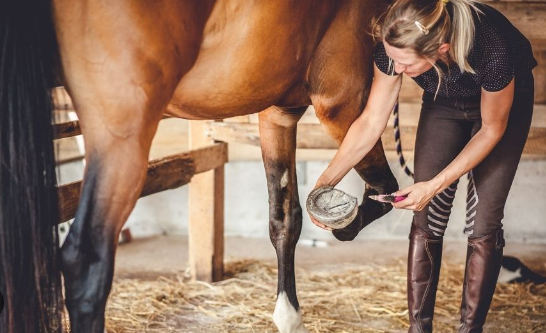
Cleaning your horse’s hooves involves using a hoof pick to remove dirt, stones, and debris that can cause discomfort or injury. You should check for signs of cracks, chips, or infections. For horses that are frequently ridden or work in varied terrains, more frequent maintenance may be required to ensure their hooves remain healthy.
-
- Clean hooves daily before and after riding.
-
- Use a sturdy hoof pick and brush for effective cleaning.
-
- Inspect for any issues like cracks, thrush, or abscesses.
-
- Keep a log of hoof conditions and any maintenance performed.
3. The Importance of Regular Trimming and Shoeing
Regular trimming and shoeing are essential parts of hoof care that prevent overgrowth, which can lead to uneven wear and pain. Depending on your horse’s activity level and genetics, scheduling a farrier visit every 6-8 weeks is generally recommended. Trimming maintains the hoof’s optimal shape and ensures that your horse can move comfortably and efficiently.
When shoeing is necessary, the shoe should fit correctly and be appropriate for the horse’s work. Shoes can provide additional support, but improper fitting can cause pain and other health issues. Regular farrier check-ups can help in adjusting shoes and ensuring that hooves remain healthy.
-
- Schedule farrier visits every 6-8 weeks.
-
- Choose a qualified farrier who understands your horse’s needs.
-
- Ensure shoes fit correctly if your horse is shod.
-
- Discuss with your farrier about whether shoeing is necessary for your particular horse.
4. Recognizing Signs of Hoof Problems
Being proactive in recognizing hoof problems can prevent serious health concerns down the line. Signs of issues may include limping, changes in the shape of the hoof, or persistent heat in the hoof wall. It’s important to conduct regular checks and be familiar with what constitutes a healthy hoof.
Specific conditions such as thrush, laminitis, and abscesses are common. Regular inspections can aid in identifying these issues early, allowing for prompt treatment. Make sure to reach out to your veterinarian or farrier if you notice any abnormalities, as early intervention is key to effective treatment.
-
- Keep an eye on your horse’s behaviors, like changes in movement.
-
- Monitor for heat and swelling in the hoof area.
-
- Look for signs of lameness or hesitance while moving.
-
- Get immediate help from a vet or farrier if you suspect a problem.
5. Nutrition’s Role in Hoof Health
The health of your horse’s hooves is strongly influenced by their diet. A balanced diet rich in vitamins and minerals is necessary for strong hoof growth. Equine nutrition should include essential nutrients such as biotin, zinc, and protein, which all play roles in hoof integrity and strength.
Adding supplements specifically designed for hoof health can offer additional benefits. Consult a vet or nutritionist to determine the right dietary adjustments or supplements for your specific horse. Monitoring your horse’s diet and nutrition can lead to visible improvements in hoof strength and durability over time.
-
- Include biotin-rich foods, like oats, in the diet.
-
- Consult a veterinarian for dietary recommendations.
-
- Consider hoof supplements if your horse has specific weaknesses.
-
- Monitor the impacts of diet changes on hoof health regularly.
In conclusion, maintaining your horse’s hooves requires understanding, commitment, and regular monitoring. By implementing a consistent hoof care routine and addressing any issues promptly, you can help ensure your horse enjoys a healthy, happy life. Don’t hesitate to consult professionals like veterinarians or farriers to optimize your hoof care practices and keep your horse in peak condition.