Draft horse heritage tourism offers an immersive glimpse into our agricultural past while celebrating the gentle giants that played a pivotal role in shaping rural communities. By visiting historical farms that feature draft horses, you can gain insight into traditional farming practices, animal care, and the cultural significance of these magnificent creatures. In this post, we will explore several key aspects of draft horse heritage tourism and how it connects visitors with history.
1. The Significance of Draft Horses in Agriculture
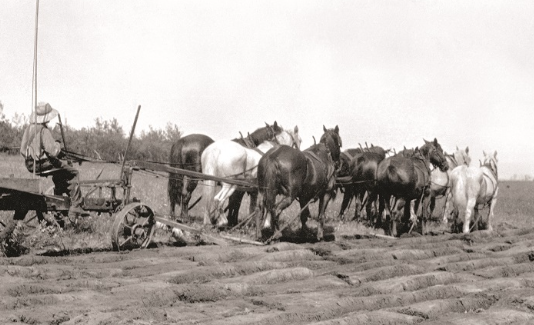
Draft horses, such as the Percheron, Clydesdale, and Belgian, have been backbone supports for farmers for centuries. These horses were primarily used for heavy labor, including plowing fields, hauling timber, and transporting goods. Their strength and endurance made them indispensable to farming families, and their role helped to define agricultural practices in many regions across the globe.
Today, understanding the significance of these horses allows us to appreciate the mechanics of historical farming methods. During the era before machines dominated agriculture, draft horses were essential for sustaining family farms, and visiting farms that showcase these practices can unveil stunning insights into historical farming communities.
-
- Research the types of draft horses historically used in your region.
-
- Visit farms that offer guided tours explaining their roles in agriculture.
-
- Engage in hands-on activities, like plowing or pulling demonstrations.
-
- Attend workshops on horse care and farming techniques.
2. Experiencing Heritage Tourism at Historical Farms
Many historical farms across the country have become centers for heritage tourism, offering attractions that celebrate the relationship between draft horses and farming life. Visitors can often participate in activities such as wagon rides, plowing demonstrations, and educational workshops tailored to various ages. Such experiences facilitate a deeper understanding of both the environment and the agricultural practices of the past.
Moreover, these farms frequently host special events that celebrate the horses themselves, including draft horse shows and competitions. These events serve as both entertainment and education, preserving traditional horse-related skills and fostering community engagement. By immersing yourself in these activities, you can create cherished family memories while gaining a newfound respect for the work these animals contributed historically.
-
- Plan your visit during special events for a unique experience.
-
- Participate in interactive workshops for practical learning.
-
- Take lots of photos to capture your experiences.
-
- Support the farm by purchasing local products.
3. Engaging with Local Heritage and Community
Visiting draft horse heritage farms not only provides an opportunity to learn about agricultural practices but also to engage with local communities. Farmers and local artisans often lead tours or demonstrations, offering personal narratives and stories that bring history to life. Such interactions foster a sense of connection and appreciation for local history and culture.
Additionally, many farms collaborate with local schools, offering educational programs that teach students about agricultural science and history. Such initiatives help instill an understanding of sustainable farming practices and the importance of preserving rural heritage for future generations. You can support these efforts by volunteering or attending community events organized by local farms.
-
- Interact with local farmers and artisans to hear their stories.
-
- Engage with educational programs that promote sustainability.
-
- Consider volunteering to help on local farms.
-
- Attend community events for a fuller understanding of local heritage.
In conclusion, draft horse heritage tourism offers a unique opportunity to connect with our agricultural history while fostering a greater understanding of the crucial role these animals played on farms. By visiting historical farms, participating in hands-on activities, and engaging with local communities, you’ll not only enjoy a rich experience but also support efforts to preserve this important aspect of our heritage. Ready to explore the world of draft horses? Plan your visit today and indulge in the historical charm that awaits you.