A draft horse’s hooves are unique, reflecting its massive build and workload. Unlike lighter breeds, draft horse hooves tend to be larger and wider, requiring specialized care. Their hoof anatomy includes the hoof wall, sole, frog, and digital cushion, all contributing to overall hoof health and function. Understanding these components is vital for appropriate care and preventative management.
The hoof wall, made of a tough protein called keratin, protects the internal structures and supports weight. Draft horses often experience wear, especially if they are primarily on hard surfaces. A regular inspection is crucial; look for cracks, chips, or signs of thrush, a bacterial infection that can compromise hoof health.
-
- Inspect hooves at least once a week.
-
- Understand the basic anatomy: wall, sole, frog, and cushion.
-
- Watch out for any unusual signs, such as cracks or lameness.
-
- Consult a veterinarian for any concerns regarding hoof health.
2. Importance of Regular Hoof Care and Maintenance
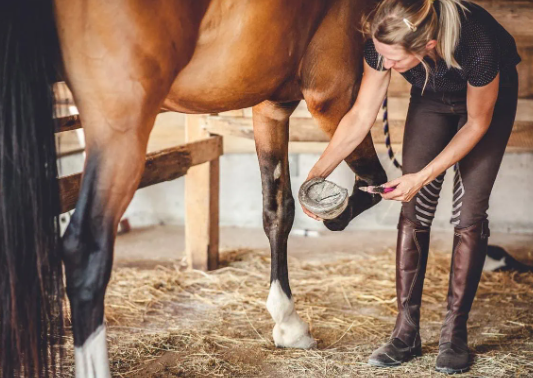
Regular hoof care is critical for draft horses. Neglecting hoof maintenance can lead to significant issues, including lameness and metabolic disorders. A farrier should trim and shoe your draft horse every 4 to 8 weeks, depending on their activity level and hoof growth. Regular trims prevent overgrowth, which can lead to imbalance and increased stress on joints.
An essential part of hoof care is establishing a routine that encompasses cleaning and checking for debris. Horses that spend time outdoors may accumulate dirt and stones in their hooves. Establishing a cleaning routine reduces the risk of infections while also allowing for ongoing assessments of general hoof health.
-
- Schedule regular farrier visits (every 4 to 8 weeks).
-
- Clean hooves daily to eliminate debris and moisture.
-
- Monitor hoof growth: adjust trimming schedules as necessary.
-
- Keep a record of any hoof problems for your farrier and veterinarian.
3. Supporting Leg Health through Nutrition and Exercise
The health of a draft horse’s legs is closely connected to its overall nutrition and exercise regimen. Proper nutrition ensures strong bones and muscles, while exercise enhances circulation and flexibility. A balanced diet rich in vitamins, minerals, and fiber is essential. Incorporating a good quality forage and grain can provide the necessary energy and nutrients for active draft horses.
Exercise is equally important, as it helps build muscle, maintain joint flexibility, and improve overall endurance. Draft horses benefit from balanced work that combines controlled movement with leisure activities, such as grazing or trail riding. Engaging your horse in varied exercises can prevent stiffness and other joint-related problems.
-
- Provide a balanced diet rich in essential vitamins and minerals.
-
- Engage in varied exercises to promote joint and muscle health.
-
- Monitor weight; avoid overfeeding, as obesity can lead to leg issues.
-
- Introduce changes in diet or exercise gradually to prevent injuries.
Taking these steps into account will help ensure that your draft horse remains strong and healthy throughout its life. Regularly monitoring both hooves and legs, in tandem with a balanced diet and lifestyle, can make a significant difference in overall performance and well-being.
In conclusion, prioritizing hoof and leg health management for your draft horse is crucial to their overall performance and longevity. By adopting a proactive approach and consulting with professionals as needed, you can ensure that your draft horse leads a happy and healthy life. Start today by establishing a regular hoof care schedule and focusing on balanced nutrition and exercise!