Draft horses have long been revered for their strength and utility, often depicted in classical paintings that celebrate their grace and power. From historical works to modern reinterpretations, their representation reflects not only their physical attributes but also the cultural importance they held in agricultural societies. This blog post delves into the themes surrounding draft horse representations in classical art, examining pivotal pieces and the artists who immortalized these magnificent animals.
1. The Power and Grace of Draft Horses in Art
Classical paintings featuring draft horses often highlight their impressive build and magnificent stature. Artists frequently chose to frame these animals in heroic poses, showcasing their muscular forms and dignified demeanor. For instance, in works by artists like Rosa Bonheur, the detailed representation of the equine body captured not just the beauty but also conveyed a sense of reverence for these hardworking animals. Paintings, such as “The Horse Fair,” reveal the strength and elegance of draft horses in motion, inviting viewers to appreciate their physical prowess.
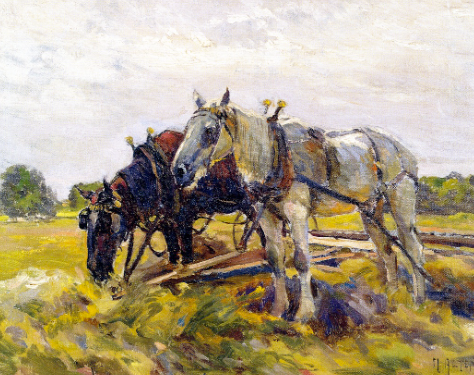
Furthermore, the symbolic representation of draft horses in art often reflects themes of labor and nobility. Unlike the more fanciful depictions of stallions used in war or leisure, draft horses were typically painted in the context of rural life. They are frequently depicted pulling heavy plows or carts, emphasizing their role in agriculture and everyday life. This juxtaposition of strength and diligence highlights the importance of draft horses in sustaining and advancing human society.
-
- Explore various classical paintings featuring draft horses.
-
- Notice the details in the horses’ musculature and poses.
-
- Research the context of the art to understand the themes.
-
- Consider the symbolic meanings attached to draft horses in each piece.
2. Notable Artists and Their Contribution
Throughout history, several artists have made significant contributions to the portrayal of draft horses in classical paintings. Rosa Bonheur, a 19th-century French artist, is one of the most distinguished figures known for her accurate and empathetic representations of animals. Her dedication to studying equine anatomy resulted in works that are not only aesthetically pleasing but also realistic. By visiting farms and observing animals in their natural environments, Bonheur was able to create masterpieces that celebrated the strength and beauty of draft horses.
Another notable artist is Sir Edwin Landseer, renowned for his depictions of horses and dogs. His painting “The Lion and the Horse” symbolizes the bravery and nobility attributed to these majestic creatures, often placing them alongside symbols of strength and fidelity. These representations not only foster an appreciation for the animals but also serve to elevate their status in the eyes of society. Artists like Landseer and Bonheur influenced public perception, advocating for the significance of draft horses in both art and daily life.
-
- Learn about key artists renowned for painting draft horses.
-
- Examine their techniques in portraying equine anatomy.
-
- Explore the historical context of their works.
-
- Discover how their representations shaped public perception.
3. The Cultural Significance of Draft Horses in Classical Paintings
The depictions of draft horses in classical art significantly reflect cultural values and the relationship between humans and animals. In many societies, draft horses were symbols of hard work, embodying the spirit of diligence and service. Artists often chose to depict them in settings that highlighted their contributions to farming and transport, underscoring the essential role they played in community life. This connection helped to establish a cultural narrative that celebrated the harmony between humans and nature.
Moreover, the evolution of these representations over centuries demonstrates changing attitudes toward labor and animal welfare. In earlier times, draft horses were often viewed merely as tools for work, but as artists began to appreciate their intelligence and emotional capacities, these animals were painted with a sense of dignity and individuality. This transformation in representation reflects broader societal changes, including a growing awareness of animal rights and a shift in how society perceives the importance of animals beyond their functional roles.
-
- Consider the cultural context of the paintings.
-
- Reflect on the values represented through draft horses.
-
- Analyze the shift in perception of animals in art.
-
- Engage with contemporary discussions on animal welfare.
In conclusion, the representation of draft horses in classical paintings offers profound insights into their cultural significance and the artistry behind their portrayal. By exploring these works, one can appreciate not just the beauty of these animals but also the rich history that shapes their legacy. Whether you’re an art enthusiast or simply curious, dive deeper into this fascinating intersection of art and culture.