Maintaining healthy horse hooves is essential for the overall well-being of your equine friend. Well-cared-for hooves can prevent numerous health issues, support athletic performance, and enhance your horse’s quality of life. In this guide, we will delve into practical tips and techniques to ensure your horse’s hooves remain strong and healthy.
1. Daily Hoof Care: The Basics
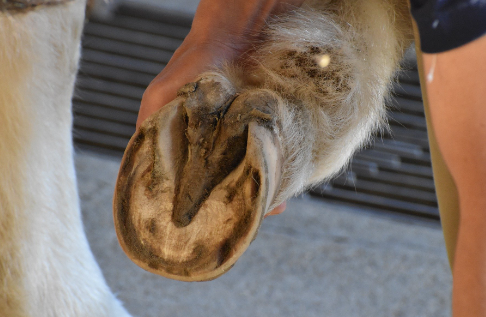
Daily hoof care is critical to preventing problems such as cracks, thrush, and laminitis. Begin by visually inspecting your horse’s hooves each day. Look out for any abnormalities such as unusual odor, stones lodged in the frog, or cracks appearing on the surface. A regular check allows you to catch issues early before they develop into more serious conditions.
In addition to inspections, cleaning your horse’s hooves daily is crucial. Use a hoof pick to remove dirt, stones, and debris. Pay special attention to the frog and the area around the heels, where dirt tends to accumulate. If your horse is shod, ensure that the shoes are in good condition and not causing discomfort or pain.
-
- Inspect hooves daily for cracks and foreign objects.
-
- Clean hooves with a hoof pick each day.
-
- Check for signs of thrush or other infections.
-
- Monitor horse’s gait for any signs of pain.
-
- Consult a farrier regularly for trimming and shoeing.
2. Nutrition for Healthy Hooves
The health of your horse’s hooves is closely linked to its diet. A balanced diet that includes the right vitamins and minerals is essential for hoof growth and strength. Essential nutrients include biotin, zinc, and protein, which can promote strong and resilient hooves. For example, biotin has been proven to help improve hoof quality and growth rate.
Consult with a veterinarian or equine nutritionist to create a feeding plan that meets your horse’s specific needs. Make sure to include high-quality forage and, if necessary, supplements that are aimed at hoof health. Regular assessment of your horse’s body condition and energy levels can give you insights into how well their diet is working.
-
- Provide a balanced diet rich in vitamins and minerals.
-
- Monitor body condition regularly.
-
- Consult with a nutritionist for specific needs.
-
- Include biotin and other supplements tailored for hooves.
-
- Ensure access to fresh, clean water daily.
3. Hoof Moisture Management
Maintaining the right level of moisture in horse hooves is crucial, as both overexposure to wet conditions and excessive dryness can lead to hoof problems. Strong hooves require a balanced moisture level; overly dry hooves may crack, while overly wet hooves can lead to thrush and softening of the structures. Strive to find a happy medium to maintain hoof integrity.
During periods of excessive moisture, such as rainy seasons, keep your horse in dry stalls or provide adequate drainage in paddocks to reduce the risk of water-logged hooves. Conversely, in dry summer months, consider using hoof oils or conditioners that contain natural oils to help retain moisture without making hoof surfaces slippery.
-
- Avoid prolonged exposure to wet conditions.
-
- Use hoof oils to maintain moisture when necessary.
-
- Provide clean, dry environments for resting.
-
- Monitor hoof condition frequently to adjust care routines.
-
- Implement regular maintenance with a farrier.
4. The Importance of Regular Farrier Visits
A skilled farrier plays a vital role in maintaining hoof health. Regular trimming and shoeing are crucial to prevent uneven wear and potential hoof problems. Depending on your horse’s activity level and hoof growth, plan to have your farrier visit every 6 to 8 weeks. During these visits, discuss any concerns you have about your horse’s behavior, posture, or hoof condition to ensure a tailored approach to care.
When selecting a farrier, consider their experience, qualifications, and compatibility with your horse. A great farrier will not only trim and shoe effectively but will also provide valuable advice on hoof care and management practices tailored to your horse’s needs. Building a good relationship with your farrier can greatly benefit your horse’s hoof health in the long run.
-
- Schedule farrier visits every 6 to 8 weeks.
-
- Communicate any changes or concerns about hoof health.
-
- Choose a qualified, experienced farrier.
-
- Seek advice on hoof care between farrier visits.
-
- Stay informed about common hoof issues and solutions.
In conclusion, healthy horse hooves are the cornerstone of your horse’s overall health and performance. By establishing a consistent care regimen that includes daily inspections, appropriate nutrition, moisture management, and regular farrier services, you can effectively promote hoof health. If you notice any concerns, don’t hesitate to consult a veterinarian or hoof care professional to ensure the best care for your equine companion.