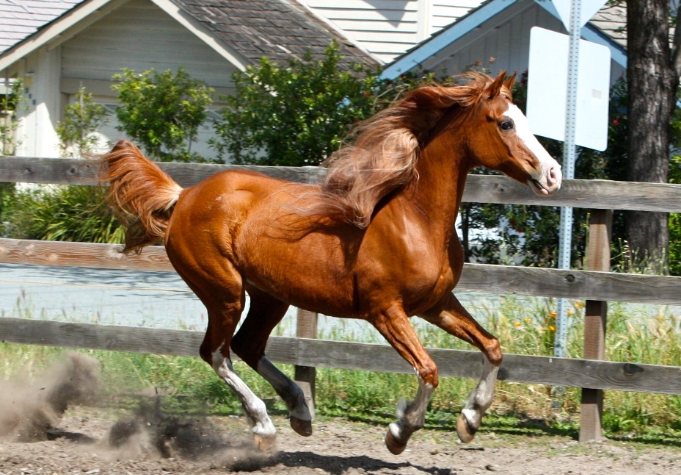
Hoof care is often overlooked in horse management, yet it plays a pivotal role in maintaining the health and performance of these majestic animals. Understanding the importance of hoof care can prevent long-term issues and ensure your horse remains sound and happy. In this article, we will explore the various aspects of hoof care and why it significantly matters.
1. The Anatomy of the Hoof
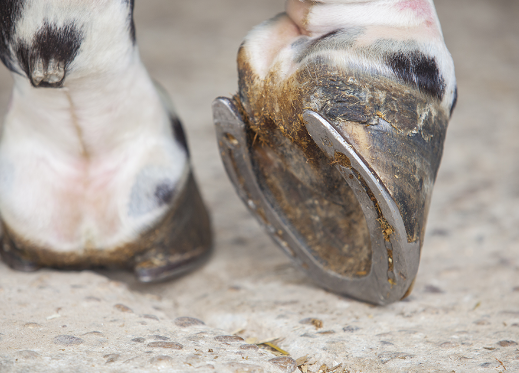
To appreciate why hoof care is essential, one must first understand the anatomy of the hoof. The hoof is a complex structure consisting of multiple components, including the hoof wall, sole, frog, and digital cushion. Each part plays a specific role in absorbing shock and supporting the horse’s weight. When any part of this anatomy is compromised, the horse may experience lameness or other debilitating issues.
For example, the hoof wall is made of a keratinized material that grows continuously and requires regular trimming. If overgrown, it can lead to uneven weight distribution, which can cause joint problems or other injuries. Additionally, the frog aids in circulation within the hoof; neglecting its care can lead to poor blood flow and, ultimately, more serious conditions like laminitis.
-
- Familiarize yourself with the basic anatomy of a horse’s hoof.
-
- Regularly inspect the hoof for any signs of cracks or infections.
-
- Learn about the hoof’s functions in shock absorption and weight support.
-
- Consult a knowledgeable farrier to understand trimming needs.
2. Regular Maintenance is Key
Regular hoof maintenance is crucial for preventing health issues and enhancing your horse’s performance. Horses should have their hooves trimmed every 4 to 8 weeks, depending on their activity level and living conditions. Consistent care can prevent a multitude of hoof problems, from cracks to more severe issues like laminitis and navicular disease.
In addition to trimming, hoof cleaning should be a routine practice. Use a hoof pick to clear out dirt and debris, paying special attention to the frog and sole, as packed material can lead to thrush and other infections. By establishing a routine for both trimming and cleaning, you set the groundwork for optimal hoof health.
-
- Schedule hoof trims every 4 to 8 weeks.
-
- Keep a routine for cleaning hooves daily, especially after riding or working.
-
- Monitor for signs of distress, such as limping or unusual hoof shapes.
-
- Establish a good relationship with a farrier for optimal trimming and shoeing advice.
3. Understanding Common Hoof Problems
Horses can suffer from various hoof problems that may arise from neglect, improper care, or environmental factors. Common issues include thrush, white line disease, and laminitis. Thrush is a bacterial infection that affects the frog, causing foul odors and discomfort, while white line disease results from a breakdown in the hoof wall, often due to moisture and poor hygiene.
Laminitis, a painful inflammatory condition of the laminae, can develop if hoof care is neglected, particularly in horses that are overfed or have metabolic issues. It’s essential to be proactive in recognizing these issues early on. Keep a watchful eye on your horse’s behavior and foot health to address any problems before they escalate.
-
- Learn about the signs and symptoms of common hoof problems.
-
- Be proactive in searching for visual clues like discolored areas or pus discharge.
-
- Educate yourself on the causes of laminitis and how to manage nutrition properly.
-
- Consult your veterinarian immediately if you notice any surprising changes.
4. Environmental Influences on Hoof Health
The environment plays a significant role in hoof health. Horses kept in muddy conditions or wet pastures often battle thrush or other infections due to excess moisture. On the other hand, dry and hard ground can lead to cracking and dryness in the hoof, requiring careful monitoring and management.
Ideas such as selecting the right bedding for your horse can have profound effects on their hoof health. For instance, sand or rubber mats may provide a cushioned surface that helps absorb shock compared to concrete floors. Additionally, rotating pastures can prevent overexposure to any potentially harmful conditions, thereby supporting better hoof health.
-
- Evaluate your horse’s living conditions regularly.
-
- Consider using appropriate bedding options for comfort.
-
- Rotate pastures to maintain hoof health.
-
- Monitor the ground conditions an hour after rainfall; avoid muddy areas.
5. When to Seek Professional Help
While routine care is crucial, there are times when professional advice is necessary. If you notice your horse showing signs of pain while walking or if their hooves appear significantly abnormal, don’t hesitate to contact a veterinarian or a qualified farrier. These professionals can provide insight and treatment options that you may not be equipped to handle alone.
Additionally, regular check-ups with a veterinarian can be beneficial for catching underlying health issues related to hoof care. They can offer guidance on nutrition and hoof maintenance tailored to your horse’s specific needs. Establishing a good rapport with professionals will empower you to keep your horse’s feet healthy and happy.
-
- Be vigilant about changes in your horse’s movement or behavior.
-
- Seek a second opinion if you’re unsure about hoof health issues.
-
- Schedule regular vet check-ups to monitor overall health.
-
- Communicate openly with your farrier to discuss any concerns.
In conclusion, hoof care is not just a routine; it’s an essential part of overall horse management. By understanding the anatomy of the hoof, establishing a regular maintenance regimen, recognizing common problems, and knowing when to seek professional help, you will ensure your horse lives a long and healthy life. Don’t hesitate to start today by examining your horse’s hooves and consulting a professional if needed.