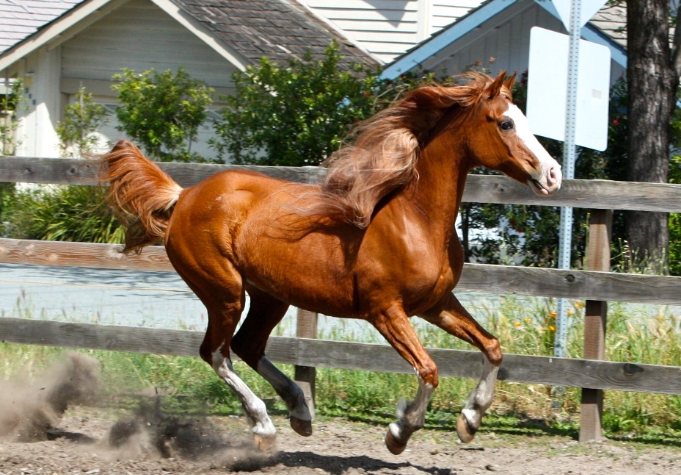
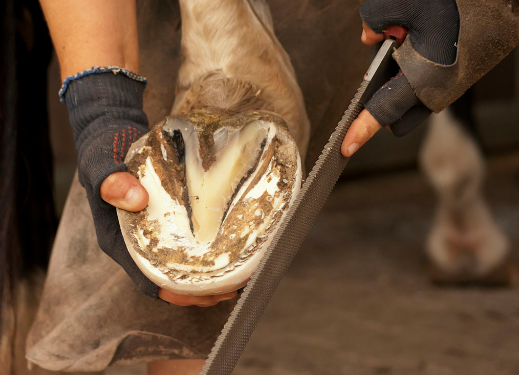
Proper hoof care is crucial for maintaining your horse’s overall health and well-being. In this blog post, we’ll explore a comprehensive horse hoof care checklist that will ensure your equine friend’s hooves are in top shape. From routine cleaning to professional trimming, each step plays a vital role in your horse’s health.
1. Daily Cleaning and Inspection
Daily cleaning of your horse’s hooves is essential for preventing infections and ensuring overall health. Start by picking out any debris, such as rocks, dirt, or manure, that may have lodged in the hoof. Use a hoof pick and check for signs of thrush or other infections. Regular inspection allows you to catch any issues early before they become serious problems.
A good inspection includes checking the frog, sole, and hoof wall thoroughly. Look for cracks, chips, or any abnormalities. If you notice anything unusual, consult a veterinarian or farrier to take appropriate action. Keeping your horse’s hooves clean and well-cared-for can significantly enhance their performance and comfort.
-
- Pick out hooves daily to remove debris.
-
- Inspect for signs of thrush and other infections.
-
- Check for chips, cracks, and abnormalities.
-
- Be observant for changes in behavior that might indicate discomfort.
2. Trimming and Maintenance Schedule
Regular hoof trimming is essential to maintaining a horse’s hoof health. Generally, hooves should be trimmed every 6 to 8 weeks, depending on the individual horse and its activity level. A professional farrier will keep the hoof balanced, which is crucial for preventing lameness and other issues. Furthermore, a well-maintained hoof allows the horse to perform at its best, whether for competitive riding or leisure.
Monitoring your horse’s hoof growth and wear is just as important as regular trims. Some horses may require more frequent trims, especially those with faster-growing hooves. Collaborating with your farrier will help you establish a trimming schedule that suits your horse’s needs. Remember, neglecting hoof care can lead to painful conditions and lengthy recovery times.
-
- Schedule trims every 6 to 8 weeks based on need.
-
- Collaborate with an experienced farrier.
-
- Observe changes in your horse’s activity or gait.
-
- Keep a log of trimming dates and hoof conditions.
3. Nutrition and Supplements
The health of your horse’s hooves is also influenced by its diet. A balanced diet rich in vitamins and minerals can strengthen hooves. Key nutrients include biotin, zinc, and methionine, which are essential for keratin production. Consulting with a veterinarian or a nutritionist can help you formulate a diet plan that supports hoof health.
In some cases, hoof supplements can further enhance hoof quality. These supplements are designed to improve hoof strength and flexibility. However, it is vital to remember that supplements should accompany a nutritious diet, not replace it. Investing in proper nutrition will pay dividends in the long run through healthier hooves that are less prone to issues.
-
- Provide a balanced diet rich in vitamins and minerals.
-
- Consult with a vet on hoof-specific supplements.
-
- Monitor your horse’s body condition and adjust diet as needed.
-
- Consider hay and grass quality as part of the diet.
4. Environment Management
The environment in which your horse lives plays a significant role in hoof health. Wet and muddy conditions can lead to infections, while dry and rocky areas can cause cracks. If your horse is stabled, ensure the bedding is clean and dry to prevent thrush and other problems from developing. This might mean cleaning stalls regularly or using mats to minimize moisture exposure.
If your horse is kept in a pasture, offering a place for it to get out of wet conditions can also be beneficial. Creating a suitable environment encourages strong, healthy hooves. Being proactive about the living conditions can save you time, effort, and money on veterinary care.
-
- Keep living areas clean and dry.
-
- Monitor for standing water or muddy spots.
-
- Use quality bedding in stalls.
-
- Provide shelter from harsh weather conditions.
5. Follow-Up and Record Keeping
Keeping detailed records of your horse’s hoof care and health can help track progress and detect any changes over time. Documenting regular trim dates, inspections, and any abnormalities will provide valuable information for both you and your veterinarian. This practice can help identify trends, such as growth rates or recurring issues, and lead to more effective care.
Additionally, consider tracking your horse’s diet and any supplements administered. If changes are made, noting their effects on hoof condition can aid in tweaking your care routine. Regular follow-up with both the farrier and veterinarian ensures a comprehensive approach to hoof health.
-
- Maintain a log of hoof care activities.
-
- Document dietary changes and their impact.
-
- Schedule regular veterinary check-ups.
-
- Communicate changes with your farrier for better care.
In conclusion, diligent hoof care is vital for your horse’s health and performance. By adhering to this checklist, you not only improve their quality of life but also prevent future complications. Take the next step by consulting a professional or starting a routine to ensure your horse’s hooves are well taken care of!