
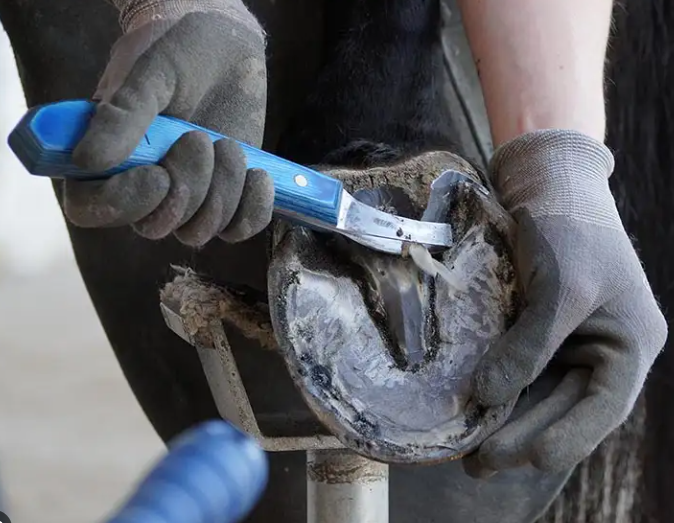
Using a hoof knife is essential for those involved in equine care, but safety is paramount to prevent injuries to yourself or the horse. Familiarizing yourself with proper techniques and tools can significantly reduce the risk of accidents. Below are some helpful safety tips for using a hoof knife effectively.
1. Proper Grip and Handling
Having a firm grip on your hoof knife is crucial for safe use. Always hold the knife at a comfortable angle, ensuring that your hand doesn’t slip during use. It’s advisable to use gloves to provide an extra layer of grip and protection against cuts. A good technique is to hold the knife with your dominant hand while using your non-dominant hand to stabilize the hoof, keeping everything steady during the trimming process.
In addition to a proper grip, it’s essential to be aware of your surroundings. Trimming a horse’s hoof should be conducted in a calm and secure environment to minimize the horse’s movements. If the horse feels nervous or restless, take a break to calm it down before proceeding. This will not only enhance your safety but also ensure a better experience for the horse.
-
- Ensure your hand is dry for a firm grip.
-
- Use gloves for added protection.
-
- Hold the knife securely at all times.
-
- Stabilize the hoof with your non-dominant hand.
-
- Maintain a calm environment for both you and the horse.
2. Choose the Right Tool
Using the right hoof knife can make a significant difference in both safety and efficacy. There are various styles and shapes available, such as straight or curved blades, each serving different purposes. A curved blade is excellent for outlining the hoof wall, while a straight blade offers more control for trimming. Always select a knife that feels comfortable in your hand and is suited to the specific needs of the hoof.
In addition to selecting the right knife, ensure that it is maintained properly. A dull knife can slip, leading to injuries. Regularly sharpen your hoof knife and inspect it for any signs of damage or wear. A well-maintained tool will not only enhance your safety but also improve the quality of your trimming work.
-
- Select the type of hoof knife that suits your needs.
-
- Choose a comfortable, ergonomic design.
-
- Regularly sharpen blades to maintain effectiveness.
-
- Inspect tools for damage before use.
-
- Learn about different types of knives and their functions.
3. Safety Gear and Clean Environment
Safety gear is just as important when using a hoof knife as it is in any other hands-on activity. Wearing safety glasses can protect your eyes from debris or accidental slips. Moreover, sturdy footwear is crucial; closed-toe shoes or boots can provide protection if a horse accidentally steps on your foot. You might also consider knee pads if you’ll be kneeling down while working.
A clean and organized workspace is equally vital to maintain safety. Ensure that the area where you’re trimming the hoof is free from clutter, which can be potential tripping hazards. If you’re working in an area where horses are kept, try to reposition any stray objects that may disrupt the process. Keeping the environment clean will help both you and the horse feel at ease, contributing to a smoother hoof-trimming experience.
-
- Always wear safety glasses and closed-toe shoes.
-
- Consider knee pads for extra comfort.
-
- Maintain a clean and organized workspace.
-
- Remove any obstacles that could pose hazards.
-
- Ensure the environment is calm and quiet.
4. Know When to Seek Help
While hoof trimming can be a straightforward task for many, it’s crucial to recognize when you might need assistance. If you’re uncertain about any aspect of the trimming process, seeking help from a professional farrier can save you from potential injury or causing harm to the horse. Professional farriers have extensive training and experience that can help in cases of complicated hoof issues.
Additionally, if you notice any abnormalities in the hoof that may require specialized care, don’t hesitate to consult a veterinarian or an experienced farrier. Understanding your limitations is essential when it comes to maintaining both your safety and the health of the horse.
-
- Don’t hesitate to ask for help if uncertain.
-
- Consult a professional for complicated cases.
-
- Monitor the health of the hoof and act on any abnormalities.
-
- Learn about common hoof issues to recognize them early.
-
- Keep a list of local farriers or veterinarians handy.
Hoof knife safety is key for anyone involved in horse care. By keeping proper grip techniques, choosing the right tools, utilizing safety gear, and understanding when to seek professional help, you can ensure a safe and effective way to care for horses’ hooves. Take these steps seriously to foster a safer environment for both you and your equine friends.