Using a hoof pick is an essential skill for any horse owner or caregiver. Regularly cleaning and caring for your horse’s hooves can help prevent injury and ensure your horse remains healthy and sound. In this guide, we’ll explore how to properly use a hoof pick, along with tips to make the process effective and safe.
1. Understanding the Hoof Anatomy
Before using a hoof pick, it’s crucial to understand the basic anatomy of a horse’s hoof. Each hoof consists of several parts, including the hoof wall, sole, frog, and digital cushion. The hoof wall is the outer part and plays a vital role in protecting the inner structures. The frog, a V-shaped structure in the hoof, acts like a shock absorber and aids in circulation.
By having a clear understanding of these components, you’ll be able to identify where debris can become trapped, leading to potential issues. It’s also helpful to recognize signs of hoof problems, such as cracks or excessive wear. Familiarizing yourself with hoof anatomy will enhance your ability to inspect and maintain your horse’s hooves.
-
- Familiarize yourself with common hoof parts.
-
- Learn to spot abnormalities, like cracks or thrush.
-
- Understand the importance of each part for your horse’s health.
-
- Regularly refer to resources that detail hoof anatomy.
2. Steps to Properly Use a Hoof Pick
Using a hoof pick is straightforward, but it’s essential to follow specific steps to prevent injury to you or your horse. Start by securely tying your horse or ensuring someone holds it steady. Approach the horse calmly, speaking softly to ease any anxiety they might have about having their hooves handled.
Once you’ve gained your horse’s trust, start with the fore hooves. Pick up the leg by gently squeezing just above the knee and lifting. Hold the hoof in a comfortable position for both you and the horse, and begin inspecting the hoof for debris or stones. Work at it patiently, ensuring you are checking every nook and cranny.
-
- Tie your horse securely before beginning.
-
- Approach calmly and speak softly to your horse.
-
- Lift the leg gently and securely without causing discomfort.
-
- Inspect the hoof thoroughly for dirt and debris.
3. Techniques for Effective Cleaning
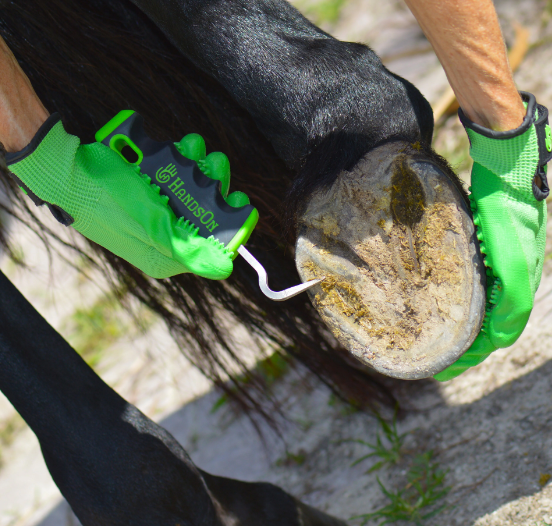
When using the hoof pick, angle it correctly to avoid injuring your horse or damaging the hoof. Begin by scraping any dirt or stones from the toe area, moving towards the heel. Be gentle around sensitive areas, especially the frog, as too much pressure can cause pain. Use the hook on the hoof pick to remove larger pieces of debris trapped in the sole and frog.
It’s important to keep a consistent routine with hoof cleaning. Even if your horse looks clean, moisture or hidden debris can lead to hoof issues down the line. Make it a habit to clean hooves before and after riding, as this can help prevent complications from dirt buildup and ensure the overall health of your horse.
-
- Angle the hoof pick properly to avoid injury.
-
- Start at the toe and work towards the heel.
-
- Be gentle near the frog area, avoiding excessive pressure.
-
- Follow a regular cleaning routine for optimal hoof health.
4. Signs of Trouble: When to Call a Professional
Even with diligent hoof care, some issues may arise that require professional attention. If you notice persistent signs of lameness or your horse shows signs of discomfort when picking up their hooves, it may be time to consult a veterinarian or a farrier. Conditions like thrush, navicular disease, or laminitis can all result in significant problems if left untreated.
Moreover, don’t hesitate to seek advice beforehand if you are uncertain about anything you find in your horse’s hooves during cleaning. Taking immediate action can prevent further complications. Always keep an eye on changes and discuss them with a professional for tailored care suggestions.
-
- Watch for signs of lameness or discomfort.
-
- Seek professional help for persistent issues.
-
- Document any changes in hoof appearance or behavior.
-
- Stay informed about common hoof conditions and their symptoms.
In conclusion, using a hoof pick correctly is crucial for maintaining your horse’s overall well-being. Regular care can prevent many hoof-related issues, so make it a part of your horse care routine. If you’re ever unsure, remember to call a professional for guidance and support. Happy hoof picking!