Cleaning horse hooves is a fundamental aspect of equine care that often goes overlooked. Regular hoof cleaning not only ensures the health and well-being of your horse but also helps in preventing serious health issues. Understanding how often to clean your horse’s hooves is essential for any horse owner, whether novice or experienced.
1. Daily Cleaning: The Baseline for Hoof Health
Cleaning your horse’s hooves daily is an excellent practice, especially if your horse is active or has recently been through muddy terrain. Daily inspection allows you to catch any debris, stones, or potential issues early. This is crucial for horses that may be prone to thrush or other hoof conditions due to environmental factors.
Incorporating daily cleaning into your routine also helps to build a trusting relationship between you and your horse. When your horse becomes accustomed to having its hooves handled, it reduces anxiety during farrier visits and other hoof-related tasks. Regular handling can also make it easier to spot changes in the hooves, which could be signs of problems.
-
- Inspect for stones, debris, or foreign objects.
-
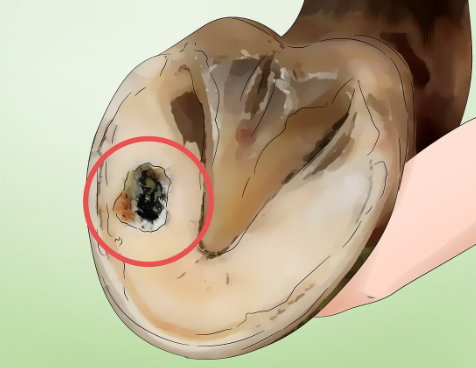
- Check for signs of thrush or infections.
-
- Use a hoof pick to clean out any mud or dirt effectively.
-
- Pay attention to the soles and frog; they should be clean and healthy.
2. Assessing Hoof Condition: Weekly Checks
While daily cleaning is recommended, conducting a more thorough assessment at least once a week is equally important. During this weekly check, focus on the overall condition of the hooves, including signs of wear and tear, cracks, or deformities. An in-depth look can often reveal problems that daily cleaning might not show.
Additionally, this is a perfect time to check on the general health of your horse. Keep an eye on how well your horse is moving and whether it shows any signs of discomfort when walking. Regular inspections ensure that you notice changes in hoof shape or growth patterns, which might necessitate a visit from your farrier.
-
- Examine the hoof wall for cracks or signs of splitting.
-
- Check for uneven wear patterns that may indicate trimming is needed.
-
- Look for any swelling or heat, which might suggest an abscess.
-
- Evaluate the hoof frog – it should be firm and not too soft or mushy.
3. Seasonal Considerations: Adjusting Your Routine
The environment can greatly impact how often you should clean your horse’s hooves. In wetter seasons, such as spring and fall, your horse is more likely to step in mud, which can lead to thrush or hoof rot if not addressed. In dry, dusty, or sandy conditions, hooves may need less frequent cleaning, but regular checks are still essential to prevent dryness or cracks.
During extreme weather conditions, such as heavy rains or snow, you might need to adjust your cleaning routine. Keeping the hooves clean and dry is imperative, especially in these conditions, as moisture can exacerbate hoof issues. Being adaptable allows you to cater to your horse’s specific needs based on the time of year and your individual circumstances.
-
- Modify cleaning frequency based on weather; more often in wet conditions.
-
- Consider using hoof conditioners to maintain flexibility in dry climates.
-
- Watch for any changes in activity level related to weather conditions.
-
- Consult your farrier for advice tailored to seasonal changes in your area.
4. Professional Assistance: Know When to Consult a Farrier
Even with regular cleaning and assessments, there may be situations where it’s necessary to consult a farrier or veterinarian. If you notice anything unusual—such as intense heat, significant swelling, or lameness—it’s essential to seek professional advice quickly. Early intervention can often prevent more severe issues.
Your farrier can provide specialized care, including trimming and shoeing, which is crucial for maintaining your horse’s hoof health. Regular appointments with your farrier should be scheduled every 6 to 8 weeks, but always consult to determine the best schedule based on your horse’s specific needs.
-
- Schedule regular farrier visits; don’t wait for issues to arise.
-
- Communicate any concerns or changes in hoof condition with your farrier.
-
- Ask about specialized treatments, such as pads or corrective shoeing.
-
- Track hoof health over time to provide detailed information to your farrier.
In conclusion, maintaining your horse’s hoof health requires diligence, adaptability, and sometimes professional help. By establishing a routine that includes daily cleaning, consistent assessments, and seasonal adjustments, you can ensure your horse stays healthy and comfortable. Don’t hesitate to consult a professional for guidance if you encounter any issues—taking that first step can prevent bigger problems down the line.