Cleaning horse hooves is an essential part of equine care that not only maintains your horse’s health but also improves their overall performance. A good hoof cleaning routine can prevent various ailments, ensuring your horse remains happy and healthy. In this post, we will explore effective methods to clean horse hooves safely and efficiently.
1. Gather Your Tools
Before you begin the cleaning process, it’s crucial to gather the right tools. You will generally need a hoof pick, a stiff brush, and a soft cloth. Hoof picks come in various styles, so choose one that feels comfortable in your hand. A stiff brush is useful for removing dirt and mud, while a soft cloth helps to polish the hoof once it’s clean.
Additionally, consider having a pair of gloves and a bucket of water on hand to clean the tools after use. Keeping your equipment organized and within reach can make the process much more efficient. Always ensure that the tools are in good condition—replacing worn-out items can make a significant difference.
-
- Purchase a hoof pick and stiff brush from your local tack shop.
-
- Keep a bucket of water and a soft cloth nearby.
-
- Wear gloves to protect your hands from dirt and debris.
-
- Regularly inspect your tools for damage or wear.
-
- Store your cleaning tools in a designated area for easy access.
2. Approach Your Horse Calmly
Every horse is unique, and some may be skittish about having their hooves handled. It’s essential to approach your horse calmly and confidently to ease any anxiety they might have. Start by allowing your horse to get used to your presence—gently pet them and speak in a soothing voice. This will help establish a positive connection and make the hoof cleaning process smoother.
Once your horse appears relaxed, it’s time to lift the hoof. Stand beside the horse and gently squeeze the back of the leg just above the hoof. Most horses will automatically lift their foot when they feel this pressure. If your horse is not responding, you may need to practice this technique more often until they understand what you’re asking.
-
- Use a calm and soothing voice when approaching your horse.
-
- Spend time bonding with your horse prior to cleaning.
-
- Gently squeeze the back of the leg to prompt hoof-lifting.
-
- Be patient; some horses take longer to feel comfortable.
-
- Practice regularly to build trust and familiarity.
3. Clean the Hoof Thoroughly
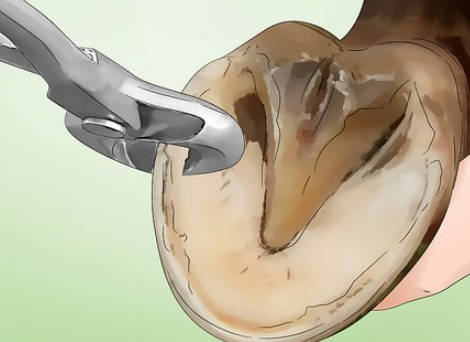
Once you have successfully lifted the hoof, the next step is to clean it. Start by using the hoof pick to remove any debris—this could include dirt, rocks, or bits of hay that may be lodged in the hoof. Make sure to work from heel to toe, following the natural contours of the hoof to avoid causing any discomfort to your horse.
After removing the larger debris, use a stiff brush to sweep away any remaining dirt and mud. Pay close attention to the areas around the frog (the triangular part of the hoof), as this is where bacteria can thrive if not cleaned properly. A clean hoof is not just about aesthetics; it plays a vital role in your horse’s health.
-
- Use the hoof pick from heel to toe to remove debris.
-
- Be gentle to avoid hurting the sensitive parts of the hoof.
-
- Use a stiff brush to eliminate any remaining dirt.
-
- Inspect the hoof for signs of infection or injury.
-
- Ensure the frog and sole are free of rocks and debris.
4. Inspect for Issues
During the cleaning process, it’s essential to keep an eye out for any signs of problems. Look for cracks, splits, or signs of thrush, a bacterial infection occurring in the frog area. If you observe anything unusual, it’s best to consult a veterinarian or a professional farrier for advice. Early detection of hoof problems can save you from more serious complications down the line.
Additionally, take note of any unusual odors, as they could indicate infection or decay. Remember, consistent inspections can help maintain your horse’s hoof health over time. Don’t hesitate to document your findings, as this can be helpful when consulting a professional.
-
- Check for cracks, splits, or odd odors.
-
- Look for signs of thrush, such as dark decay in the frog area.
-
- Consult a vet or farrier for any concerns.
-
- Document your observations for follow-up visits.
-
- Encourage a routine hoof inspection schedule.
5. Maintain a Regular Schedule
A crucial aspect of hoof care is establishing a regular cleaning schedule. Aim to clean your horse’s hooves at least once a week, or more frequently if your horse is in heavy work or confined to muddy or wet conditions. Establishing a routine not only keeps your horse’s hooves clean but also allows you to notice changes in their condition more easily.
In addition to regular cleanings, consider scheduling appointments with a farrier for trimming and shoeing. Keeping hooves trimmed will aid in preventing fractures and other issues, ensuring your horse is always ready to perform at its best. Consistency is key to maintaining hoof health.
-
- Set a weekly schedule for hoof cleaning.
-
- Adjust frequency based on your horse’s activity level.
-
- Book regular appointments with a farrier for hoof trimming.
-
- Ensure you monitor any changes in hoof condition.
-
- Incorporate hoof care into your regular equine maintenance routine.
In conclusion, cleaning your horse’s hooves is a simple yet vital task that can prevent serious health issues. By gathering the right tools, approaching your horse calmly, and establishing a regular cleaning routine, you can make hoof care a seamless part of your horse’s care regimen. Don’t hesitate to consult a professional if you notice any irregularities, and remember that a little preventive care goes a long way in keeping your horse healthy and happy.