
Draft horses are a magnificent example of equine strength and versatility. Unlike their lighter counterparts, these powerful breeds were specifically developed to perform heavy work, making them invaluable to agriculture and transport. In this blog post, we will explore the defining characteristics of draft horses and how they compare to light horse breeds.
1. Defining Characteristics of Draft Horses
Draft horses are known for their substantial build, which includes a broad chest, muscular body, and strong limbs. Typically, they stand between 14.2 to 19 hands high and can weigh between 1,200 to 2,200 pounds. Not only are they strong, but they also have a calm demeanor, making them ideal for tasks that require endurance and reliability.
Common breeds of draft horses include the Clydesdale, Shire, Percheron, and Belgian. Each breed has its unique attributes but fundamentally shares traits that enhance their capacity for labor. For instance, Clydesdales are often recognized for their feathered legs and striking appearance, while Percherons are favored for their agility and speed in work tasks.
-
- Research the different draft horse breeds to understand their unique traits.
-
- Consider the specific tasks you need a draft horse for when choosing a breed.
-
- Pay attention to the horse’s build and temperament as indicators of capability.
-
- Visit local farms or stables to see draft horses in action.
2. The Role of Draft Horses in Agriculture
Historically, draft horses have played a vital role in agricultural settings, helping farmers with plowing, hauling, and other heavy labor tasks. Their incredible strength allows them to pull heavy plows through hard soil, which is essential for planting crops. In modern contexts, many farms still utilize draft horses for sustainable farming practices, showcasing their ability to work without the environmental impact of machines.
Besides farming, draft horses are also engaged in pulling competitions and parades, demonstrating their unique blend of strength and grace. The use of draft horses in these activities helps preserve traditional methods while highlighting their roles in contemporary practices. Their working history contributes significantly to various cultures and agricultural techniques around the world.
-
- Explore local agricultural fairs or events showcasing draft horse skills.
-
- Learn about draft horse training and maintenance for optimal performance.
-
- Consider sustainable farming activities that could benefit from draft horse involvement.
-
- Join draft horse enthusiast groups to share knowledge and experiences.
3. How Draft Horses Differ from Light Horse Breeds
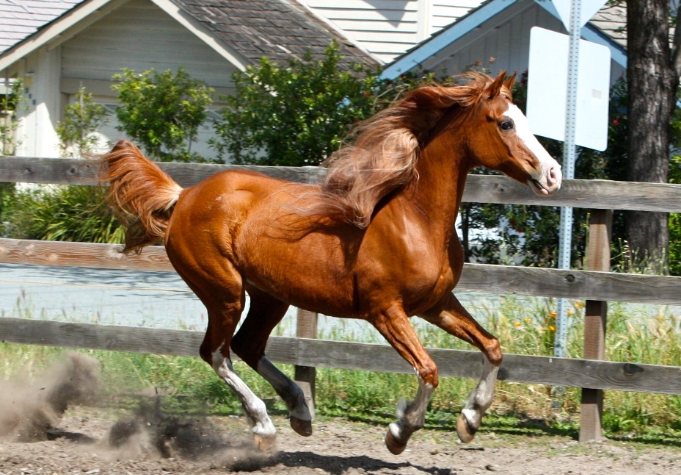
The primary distinction between draft horses and light horses is their size and build. While draft horses are significantly larger and more muscular, light horses are generally more athletic, standing about 14 to 17 hands and weighing between 800 to 1,200 pounds. Light horses, such as Arabians and Thoroughbreds, are bred for speed, agility, and endurance, making them suitable for activities like racing and recreational riding.
Light horses also have a more spirited temperament compared to the typically calm nature of draft horses. This personality difference is crucial for owners to consider, particularly when selecting a horse for specific tasks or activities. While light horses excel in competitive sports, draft horses provide durability and strength, making them better suited for heavy lifting or lengthy work sessions.
-
- Assess the intended use of the horse before deciding between draft and light breeds.
-
- Factor in the space and resources needed to care for larger draft horses versus lighter breeds.
-
- Understand the unique training methods for both draft and light horses.
-
- Consult with equine professionals to match your needs with the appropriate horse type.
In conclusion, understanding the distinctions between draft horses and light breeds enhances your appreciation for these magnificent animals. Whether you’re considering adding a draft horse to your farm or simply exploring the equine world, it’s important to consult with professionals and experienced owners to ensure you make informed decisions. Embrace the opportunity to learn more about these powerful animals and how they can enrich our lives.