Draft horses have played a pivotal role in agriculture for centuries, serving as the backbone of plowing and farming tasks before the advent of modern machinery. Their strength, endurance, and gentle temperament made them ideal for heavy labor, allowing farmers to cultivate larger plots of land efficiently. This blog post will explore the historical significance of draft horses in agriculture, their impact on plowing, and guidelines for their care and training.
1. The Evolution of Draft Horses in Agriculture
Draft horses have a rich history that dates back to ancient civilizations, where they were primarily used for hauling and heavy lifting. As agricultural practices evolved, these horses became essential for plowing fields. Breeds like the Percheron, Clydesdale, and Belgian were specifically bred for their strength and size, enabling them to pull plows, wagons, and other farming equipment effectively.
During the 19th century, as farming expanded across America and Europe, the demand for draft horses surged. These horses were indispensable in helping farmers turn over the soil, plant crops, and transport goods to market. Unlike their light horse counterparts, draft horses were built for endurance, allowing them to work long hours under demanding conditions.
-
- Learn about various draft horse breeds and their specific strengths.
-
- Research the historical significance of draft horses in agriculture.
-
- Understand the evolution of equipment used alongside draft horses.
-
- Explore regional variations in draft horse usage.
2. Techniques of Plowing with Draft Horses
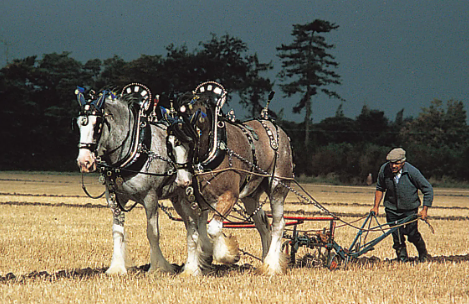
Plowing is one of the most rewarding and effective agricultural practices facilitated by draft horses. The traditional method involves harnessing a team of horses to a plow and guiding them in a straight line through the fields. This process allows farmers to break ground efficiently and prepare the soil for planting. The skill of the driver, combined with the strength of the horses, often determines the quality of the plowing.
To maximize efficiency, farmers often employed a team of two to four horses, depending on the size and type of plow used. The horses would work in pairs, utilizing a harness system that distributes the weight evenly. This teamwork allowed for a more thorough plowing job and significantly reduced the strain on individual horses. Farmers also had to consider the type of soil being plowed, as different conditions required specific techniques.
-
- Choose the right harness style for your draft horses.
-
- Maintain a consistent speed while plowing for even results.
-
- Ensure plow depth is adjusted according to soil type.
-
- Work in straight lines to promote efficient plowing.
3. Caring for Draft Horses: Best Practices
Proper care for draft horses is critical to their performance and longevity in agricultural settings. These large animals require a balanced diet high in fiber and energy, often consisting of hay, grains, and vitamins. Additionally, their hooves need regular trimming and shoeing to prevent injuries and maintain mobility.
Health monitoring is equally important. Regular check-ups with a veterinarian can help prevent and identify issues like colic, lameness, and other ailments. Furthermore, draft horses thrive in social environments, so proper socialization with other animals is crucial for their emotional well-being.
-
- Consult with a veterinarian for a tailored nutrition plan.
-
- Schedule regular hoof care appointments.
-
- Offer ample space and social opportunities for mental health.
-
- Maintain a clean living environment to reduce health risks.
In conclusion, draft horses have significantly shaped the agricultural landscape, particularly in plowing practices. Their strength and dedication made them invaluable assets to farmers. For those interested in working with draft horses, understanding their history, care, and proper training techniques is crucial for a successful partnership. Whether you’re looking to start a new farming venture or simply learn about these remarkable animals, take the time to research and engage with this fascinating part of agricultural history.