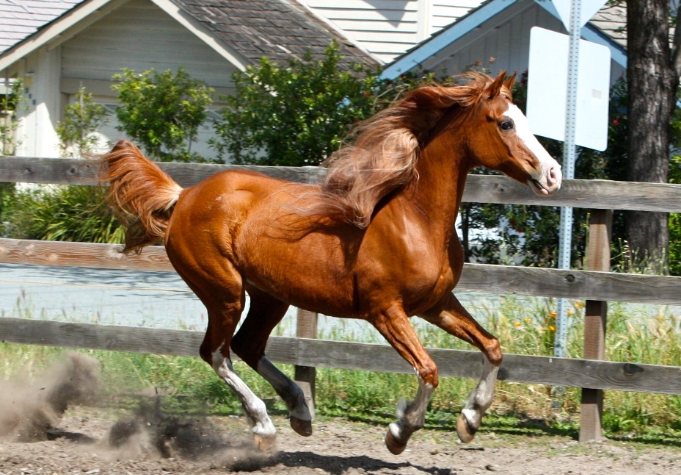
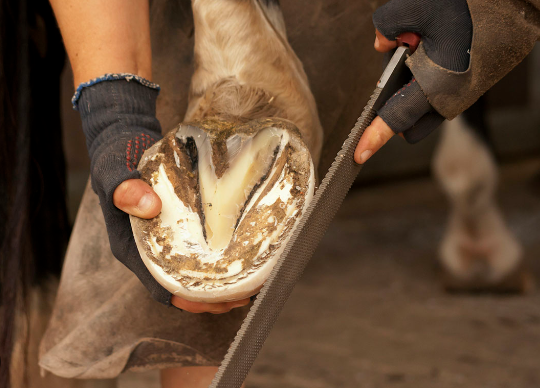
Horse hoof care is an essential aspect of equine health that can often be overlooked. Proper hoof maintenance not only ensures a horse’s comfort but also prevents serious health issues down the road. In this post, we’ll explore some basic tips that every horse owner should know to keep their horse’s hooves in top shape.
1. Regular Inspection and Cleaning
One of the first steps in hoof care is to conduct regular inspections. You’ll want to check for any signs of debris, cracks, or abnormalities. This should be done at least once a week. Use your hands and eyes to assess the hoof, and don’t hesitate to gently pick it up and inspect the sole and frog for any signs of infection or thrush. If you notice unusual odors or discolored areas, consult a vet.
Cleaning your horse’s hooves is also crucial. Use a hoof pick to remove dirt and stones that may become lodged in the crevices. It’s best to clean the hooves before and after riding or working your horse. Regular cleaning helps in identifying potential problems early and also keeps the hooves healthy.
-
- Inspect hooves weekly for cracks and debris.
-
- Use a hoof pick to remove dirt and stones.
-
- Check for abnormalities and consult a vet if necessary.
-
- Clean hooves before and after exercise.
2. Regular Trimming and Shoeing
Trimming and shoeing are vital to maintaining a horse’s hoof health. Most horses require trimming every 4 to 8 weeks, depending on their growth rates and activity levels. An experienced farrier can help keep the hooves balanced, which minimizes the risk of injuries and lameness. Regular trims also allow for the proper growth of hoof wall and sole.
If your horse requires shoes, be sure that they are applied correctly and adequately adjusted over time. There are various types of shoes available, each designed for specific activities or conditions. Sampling a variety might be beneficial before settling on what works best for your horse. Always consult with your farrier on the best approach.
-
- Schedule trims every 4-8 weeks.
-
- Choose a qualified farrier with experience.
-
- Ask about different shoe types for specific activities.
-
- Monitor for any signs of discomfort after trimming or shoeing.
3. Proper Nutrition and Hydration
Hoof health is closely linked to a horse’s overall nutrition. A balanced diet rich in vitamins and minerals contributes to strong hooves. Pay particular attention to biotin, zinc, and protein, which are essential for healthy hoof growth. Consulting a veterinarian or equine nutritionist can help you choose the right feed supplements.
Hydration is equally crucial. Dehydrated horses may have brittle hooves that are prone to cracking. Ensure your horse has constant access to clean drinking water. Regular wetting of the hooves can also be beneficial, especially in dry conditions. This ensures that the hooves maintain optimum moisture levels for strength and elasticity.
-
- Provide a balanced diet rich in essential nutrients.
-
- Include biotin, zinc, and protein supplements if necessary.
-
- Ensure constant access to clean drinking water.
-
- Regularly wet hooves to maintain moisture levels.
4. Environmental Considerations
The environment where your horse lives can have a significant impact on hoof health. Dry, dusty conditions can lead to brittle hooves, while excessively wet conditions can promote thrush and other bacterial infections. Implementing a routine that accommodates changing weather conditions can greatly enhance hoof health.
For horses in muddy or wet environments, consider using hoof boots to protect their feet. Also, ensure that their living area is clean and dry, using proper drainage systems if necessary. Regularly cleaning their environment can reduce harmful bacteria and keep their hooves healthy.
-
- Monitor the condition of your horse’s living area.
-
- Use hoof boots in wet or muddy conditions.
-
- Implement proper drainage to prevent pooling.
-
- Clean the paddock or stable regularly to reduce bacteria.
In conclusion, maintaining your horse’s hooves can significantly impact their overall health and performance. By implementing these basic hoof care tips, you can help ensure that your horse remains happy and sound. Don’t hesitate to engage with professionals such as farriers and veterinarians to create a comprehensive hoof care plan tailored to your horse’s specific needs.