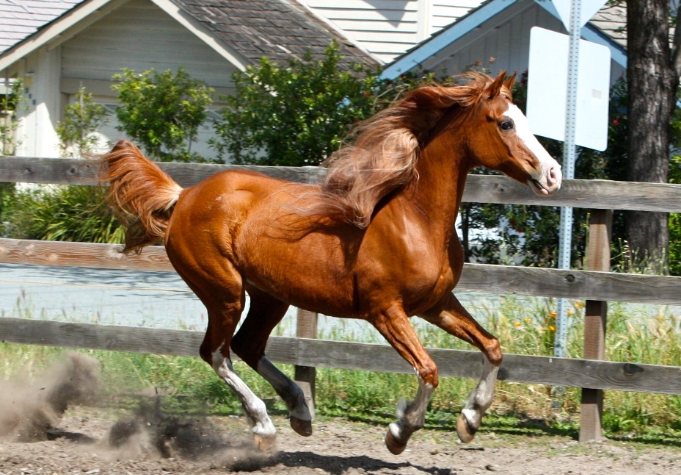
Maintaining the health of a horse’s hooves is crucial for its overall well-being, especially when you’re considering a barefoot approach. Barefoot horse hoof care may seem daunting for owners unfamiliar with this method, but with the right knowledge and practices, it can lead to happier, healthier horses. Here are some essential tips to ensure your horse’s hooves remain in excellent condition without the use of shoes.
1. Understanding Hoof Anatomy and Health
Before diving into care techniques, it’s important to understand the basic anatomy of a horse’s hoof. The hoof consists of several parts including the wall, the sole, the frog, and the digital cushion. Each of these components plays a role in the hoof’s ability to absorb shock and provide support. Recognizing signs of healthy hooves—like a solid, hard wall and a well-developed frog—can help you identify any issues early on.
Monitoring hoof health requires regular inspections. Common signs of trouble include cracks, thrush, or abnormal odor, all of which can lead to more serious conditions if not addressed promptly. Getting familiar with these aspects can help you make informed decisions about care and management.
-
- Examine hooves at least once a week for cracks or abnormalities.
-
- Learn to recognize the signs of thrush, like a black discharge.
-
- Keep notes on any changes in hoof appearance or horse behavior.
-
- Consult a farrier or hoof care professional if you notice persistent issues.
2. Proper Maintenance and Routine Trimming
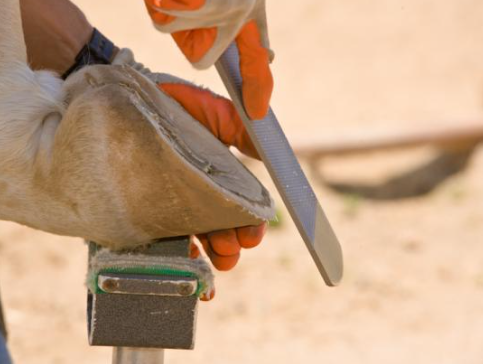
Regular trimming is essential for maintaining hoof health in barefoot horses. A general guideline is to trim every 4 to 6 weeks, but this can vary based on your horse’s activity level and surroundings. During trimming, a farrier will remove excess growth, which can prevent hoof deformities and ensure proper weight distribution. It’s advisable to work with an experienced farrier who understands the nuances of barefoot trimming.
In addition to trimming, maintaining the right environment plays a role in hoof health. Ensuring that your horse has access to varied terrain—like rocky surfaces or different textures—can promote natural wear. If mud or soft footing is common in your area, consider creating a hard-standing area for your horse to avoid overly soft hooves.
-
- Schedule regular trims based on your horse’s specific needs.
-
- Choose a farrier experienced with barefoot trimming.
-
- Create a varied terrain for natural hoof wear.
-
- Monitor changes in hoof shape between trims for early intervention.
3. Nutrition and Supplements for Strong Hooves
A balanced diet is integral to maintaining hoof health and strength. Hooves are made from keratin, which relies on protein and various nutrients for optimal growth. Essential nutrients such as biotin, zinc, and copper can significantly impact hoof quality. Ensure your horse’s diet includes quality forage and, if necessary, a supplement specifically designed to enhance hoof health.
It’s also crucial to keep hydration in check, as dehydration can lead to brittle hooves. Regularly provide fresh, clean water and consider soaking stubborn hooves in a mixture that promotes hydration and health. Be aware that excessive softening can lead to other issues, so finding the right balance is key.
-
- Include high-quality forage as a primary food source.
-
- Consider hoof health supplements rich in biotin and minerals.
-
- Ensure your horse stays hydrated throughout the day.
-
- Consult a veterinarian for personalized dietary advice.
Taking care of your horse’s hooves is a rewarding yet ongoing process that requires attention and knowledge. By understanding hoof anatomy, scheduling regular trims, and providing proper nutrition, you’ll foster a foundation for strong, healthy hooves. Don’t hesitate to consult a farrier or a veterinarian for guidance tailored to your horse’s unique needs, and consider developing a consistent care routine to help your equine friend thrive.