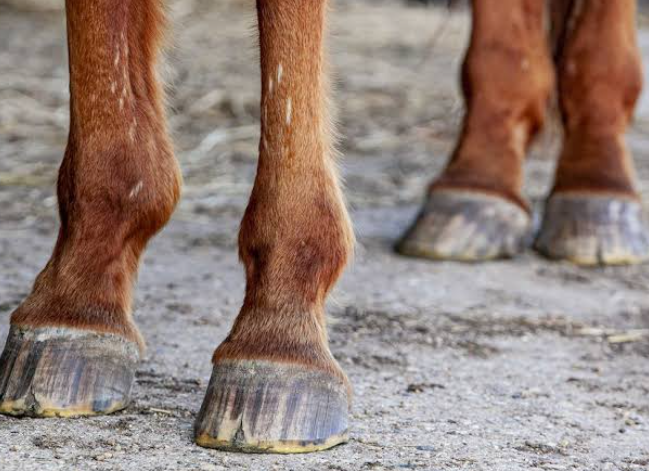
Cracked horse hooves can be a troubling issue for horse owners and caregivers alike. Understanding the causes and solutions is crucial for maintaining the health and performance of equine friends. In this post, we’ll delve into the essential aspects of managing cracked hooves effectively.
1. Understanding Cracked Horse Hooves
Cracked horse hooves are more common than one might think, and they can arise for a variety of reasons. Environmental factors, such as wet and dry conditions, play a significant role in hoof health. Horses that are kept on hard surfaces can experience increased wear and tear, leading to cracks. On the other hand, prolonged exposure to moisture can soften the hooves, making them prone to splitting and cracking.
Aside from environmental causes, nutritional deficiencies can also create weaknesses in a horse’s hooves. A diet low in biotin, zinc, and other essential nutrients can impede hoof growth and strength. Furthermore, a horse’s general health, including hormonal imbalances and metabolic disorders, can have a direct impact on hoof quality. Regular veterinary checks and dietary assessments can help identify such underlying issues.
-
- Ensure adequate hoof care routine is maintained.
-
- Regularly monitor environmental conditions your horse is exposed to.
-
- Consult with a veterinarian or farrier for nutrition recommendations.
-
- Keep a close watch for signs of cracks or splitting.
2. Prevention Techniques
Preventing cracked hooves requires a proactive approach that incorporates good management practices. Regular hoof trims and maintenance by a qualified farrier are vital in ensuring hooves remain healthy. A well-trimmed hoof is less likely to develop cracks as it helps in distributing weight evenly and maintaining balance. Schedule trims every 6 to 8 weeks, depending on your horse’s growth rate and activity levels.
Another prevention strategy involves monitoring the horse’s living environment. Ensuring that your horse has access to both dry and moist areas can help in balancing the hoof’s moisture levels. Additionally, using hoof dressings or protective hoof boots during strenuous activities or extreme weather can greatly reduce the likelihood of cracking. These simple adjustments can make a significant difference in hoof health over time.
-
- Schedule regular farrier visits.
-
- Create a balanced environment with both dry and wet conditions.
-
- Use hoof dressings as a protective measure.
-
- Consider hoof boots for extra protection during work.
3. Treatment Options for Cracked Hooves
When cracked hooves do occur, prompt treatment is essential for preventing further complications. For minor cracks, applying a waterproof hoof dressing can help seal the area, keeping dirt and moisture out while allowing the hoof to heal. Farriers often recommend using a mixture containing keratin and natural oils, which can help speed up the healing process.
For more serious cracks, a veterinarian should be consulted to assess the damage properly. Depending on the severity, treatments can include therapeutic shoes or special hoof repair materials. In severe cases, an underlying condition may need to be diagnosed and treated to effectively manage hoof health. Monitoring the crack regularly for signs of infection or further deterioration is also crucial.
-
- Apply waterproof dressing for minor cracks.
-
- Consult a veterinarian for serious cracks or infections.
-
- Regularly check the affected area.
-
- Follow any prescribed treatment plans to promote healing.
4. Monitoring and Maintenance
Keeping a close eye on your horse’s hooves is vital for early detection and prevention of cracking. Regular inspections should include checking for cracks, unusual wear, and signs of discomfort while walking or training. It’s essential to track any changes in hoof health, especially after significant shifts in environment or diet. This monitoring can provide valuable insights that may signal issues before they escalate.
In addition to monitoring, establishing a daily foot care routine can significantly enhance hoof health. This may include cleaning the hooves daily to remove dirt and debris, applying hoof oil for moisture retention, and ensuring that any rocks or debris lodged in the hooves are removed. A consistent routine will help maintain optimal conditions for the hooves, making them less susceptible to cracking.
-
- Conduct regular hoof inspections.
-
- Track changes in hoof condition to spot problems early.
-
- Establish a daily hoof care routine.
-
- Keep an eye on your horse’s overall comfort level.
Managing cracked horse hooves requires a comprehensive approach that integrates prevention, treatment, and ongoing maintenance. By staying vigilant and proactive, you can contribute significantly to the health and performance of your horse. Don’t hesitate to reach out to a professional for specialized advice and tailor a routine to cater to your horse’s specific needs.