As winter descends and temperatures drop, proper hoof care for horses becomes increasingly crucial. Cold, wet weather can pose unique challenges for our equine friends, affecting their hoof health and overall well-being. Below, we’ll explore essential winter hoof care tips to ensure your horse stays healthy during the chilly months.
1. Importance of Regular Hoof Inspection
Winter brings about conditions that can significantly affect your horse’s hooves. Ice and snow can pack into the hoof, causing discomfort and potential injuries. Regular inspections can help catch issues early, preventing more significant problems later. Performing a thorough check at least once a week during winter is ideal.
When inspecting, look for signs of thrush, cracking, and excessive dryness. Take note if you find any uneven wear, which might indicate imbalances in your horse’s gait or issues with their shoeing. The earlier you recognize these signs, the easier they will be to manage.
-
- Inspect hooves for cracks or splits.
-
- Check for signs of thrush or infection.
-
- Assess hoof balance and wear patterns.
-
- Keep an eye out for stones or debris caught in the hoof.
2. Proper Hoof Moisture Management
Maintaining the proper moisture levels in your horse’s hooves can be a bit challenging during winter. Cold, dry air can lead to brittleness, which makes hooves more susceptible to cracks. Consider using hoof oils or conditioners that help maintain moisture while protecting against dryness.
After riding or exercising your horse in wet environments, it’s also essential to dry their hooves thoroughly to prevent bacterial growth. You can use a hoof pick to clean out any mud and debris, then let them dry in a warm, sheltered place. This preventive measure is vital to keep your horse comfortable and healthy.
-
- Apply hoof conditioner to maintain moisture levels.
-
- Avoid prolonged exposure to wet conditions.
-
- Use a hoof pick to clean hooves after riding.
-
- Allow hooves to dry thoroughly in a sheltered area.
3. Appropriate Footwear Choices
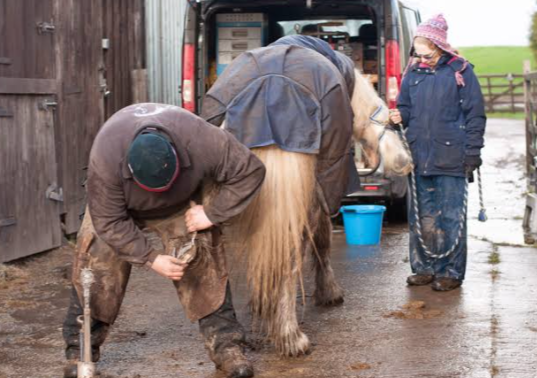
Choosing the right footwear for your horse in winter is essential for their stability and hoof health. While some horses may benefit from the added traction of winter shoes, others may require pads to protect against ice or frozen ground. Consult with your farrier to determine the best fit for your horse’s needs and activities.
If your horse will be frequently on icy or slippery surfaces, consider shoes with studs that provide extra grip. Alternatively, ground conditions may warrant removing shoes altogether to allow for natural hoof flexibility. Always take into account your horse’s activities to decide on the best option for their hooves.
-
- Consult with your farrier for suitable footwear options.
-
- Consider studded shoes for icy conditions.
-
- Evaluate whether your horse could benefit from pads.
-
- Regularly assess wear and tear on shoes throughout winter.
4. Nutrition and Hoof Health Connection
A well-balanced diet is vital for your horse’s overall health, and its hooves are no exception. Winter can stress a horse’s nutritional intake, especially if fresh grass is scarce. Providing a high-quality hoof supplement can make a significant difference in hoof strength and resilience during this challenging time.
Ingredients to look for in hoof supplements include biotin, methionine, and zinc, which are known to support hoof growth and health. Additionally, ensure your horse is receiving adequate forage to encourage proper digestion and nutrient absorption, further promoting strong and healthy hooves.
-
- Provide a high-quality hoof supplement.
-
- Ensure a balanced diet with ample forage.
-
- Monitor for signs of nutritional deficiencies.
-
- Consult with a veterinarian or equine nutritionist for tailored advice.
5. Establishing a Hoof Care Routine
Creating and sticking to a winter hoof care routine can lead to long-term benefits for your horse. Regular farrier appointments are vital for maintaining hoof health, so aim to schedule these every 4-6 weeks throughout the winter months. A consistent routine also helps to identify any issues sooner, providing your horse with the best care possible.
Incorporate daily checks and a cleaning schedule into your routine alongside consistent feeding and nutritional monitoring. By establishing these habits, you’ll find that managing your horse’s hoof health becomes second nature, leading to happier, healthier equine companions.
-
- Schedule regular farrier visits.
-
- Incorporate daily hoof inspections and cleaning.
-
- Keep a calendar for feeding and hoof care tasks.
-
- Document any changes in hoof condition to discuss with your veterinarian.
In conclusion, taking proactive steps in winter hoof care is essential for your horse’s well-being. Regular inspections, proper moisture management, appropriate footwear, and a solid nutrition plan can help ensure your horse remains healthy throughout the winter. Consult with a professional to tailor a care routine that suits your horse’s specific needs, keeping their hooves in top shape all season long.