Taking care of a horse’s hooves is essential for maintaining their overall health, and a hoof pick is an indispensable tool in that process. Understanding how to use a hoof pick effectively can help prevent infections and discomfort in your horse. This guide will give you a comprehensive overview of different hoof pick types, their usage, and maintenance tips.
1. Types of Hoof Picks
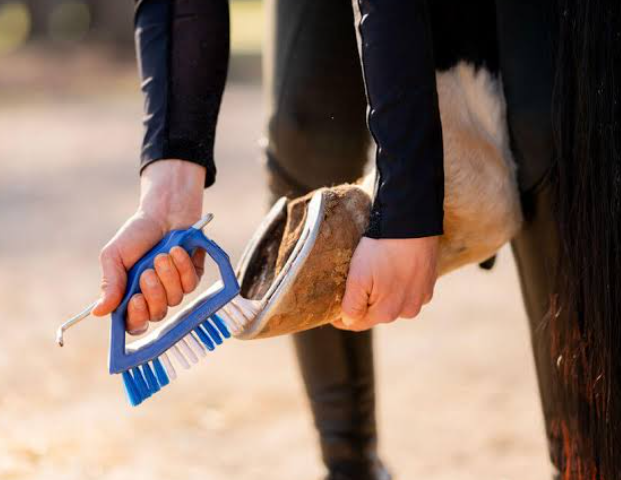
Hoof picks come in various shapes and designs, each tailored for specific needs. The basic hoof pick features a pointed end for cleaning the grooves of the hoof, while other designs may include a brush for additional dirt removal. Understanding the differences can help you select the best tool for your horse’s unique needs.
Some hoof picks are designed with ergonomics in mind, making them easier to hold and maneuver. Others may have a built-in nail puller, which can prove useful when dealing with loose or broken nails. Take your time to familiarize yourself with these options before making a purchase.
-
- Choose a hoof pick that feels comfortable in your hand.
-
- Look for sturdy materials that can withstand daily use.
-
- Consider additional features like brushes or nail pullers.
-
- Read reviews or ask for recommendations from experienced horse owners.
2. How to Use a Hoof Pick
Using a hoof pick correctly is crucial for both your safety and your horse’s health. Start by securing your horse in a safe position, whether tied or held, and gently lift their hoof. It’s essential to be calm and gentle to avoid startling your horse during this process.
Once you have the hoof elevated, insert the pointed end of the hoof pick into the grooves and carefully scrape out any dirt, mud, or debris. Be cautious not to dig too deep, as you could injure the sensitive tissue beneath the hoof wall. Regular cleaning helps keep the hoof healthy and can spot early signs of problems.
-
- Ensure your horse is calm and secure before lifting their hoof.
-
- Take your time to clean every crevice of the hoof.
-
- Observe for cuts, thrush, or other abnormalities during cleaning.
-
- Always return the hoof to the ground gently.
3. Maintenance of Hoof Picks
Just as horses need regular hoof care, your hoof pick needs maintenance too. Cleaning your hoof pick after each use can prolong its life and ensure that no bacteria is transferred to your horse’s hooves. Simply rinse it off and dry it with a clean cloth to avoid rusting and buildup.
Additionally, inspect the hoof pick for any wear and tear regularly. If you notice any cracks or bent parts, it might be time to replace it. Proper maintenance ensures that your hoof pick remains effective, making the hoof care process easier for you and more comfortable for your horse.
-
- Clean the hoof pick after each use to prevent rust and bacteria.
-
- Inspect for damage regularly and replace if necessary.
-
- Store in a clean, dry place to keep it in good condition.
-
- Consider having multiple hoof picks for different conditions (dry, muddy, etc.).
4. Common Mistakes to Avoid
Caring for horse hooves can be straightforward, yet many novice horse owners make common mistakes that can jeopardize hoof health. One such mistake is neglecting the frog—the V-shaped structure on the bottom of the hoof. Failing to clean the frog can lead to thrush or infections, as debris can accumulate and create an unhealthy environment.
Another frequent error is applying too much pressure while picking. It’s easy to think that harder is better, but digging too deep can injure sensitive areas of the hoof. Always prioritize gentle, careful cleaning, and remember that consistency is key to keeping your horse’s hooves healthy.
-
- Don’t neglect the frog during hoof cleaning.
-
- Avoid using excessive force; be gentle.
-
- Don’t skip regular cleaning; make it part of your routine.
-
- Be observant for any signs of distress or injury.
5. When to Consult a Professional
While regular hoof cleaning is a task you can perform yourself, there are times when it’s prudent to seek professional help. If you notice signs of lameness, unusual growths, or persistent odor, it’s best to consult a veterinarian or a farrier. These professionals have the expertise to diagnose and treat issues that are beyond basic cleaning.
Additionally, during particular seasons—like wet winters or hot summers—your horse’s hooves may require professional attention to address issues like thrush, cracking, or excess moisture. Keeping an open line of communication with a hoof care expert can make all the difference in your horse’s foot health.
-
- Contact a professional for unusual lameness or swelling.
-
- Don’t hesitate to consult if you detect any foul odors.
-
- Schedule a visit if hoof growth is abnormal or irregular.
-
- Regular check-ups can help catch issues before they become serious.
Maintaining your horse’s hoof health is an ongoing responsibility that can significantly impact their well-being. Use this guide to enhance your hoof care routine, and don’t hesitate to consult with professionals for any concerns. By investing time in hoof care, you’re setting the stage for a healthy and happy life for your horse.